Malian science is shining on the international stage. A flagship study by the University Clinical Research Center (UCRC), published in the prestigious journal Frontiers in Malaria, reached a significant milestone with over 500 downloads by the end of 2025. This figure underscores the crucial importance of this work to the global scientific community. VIDEO
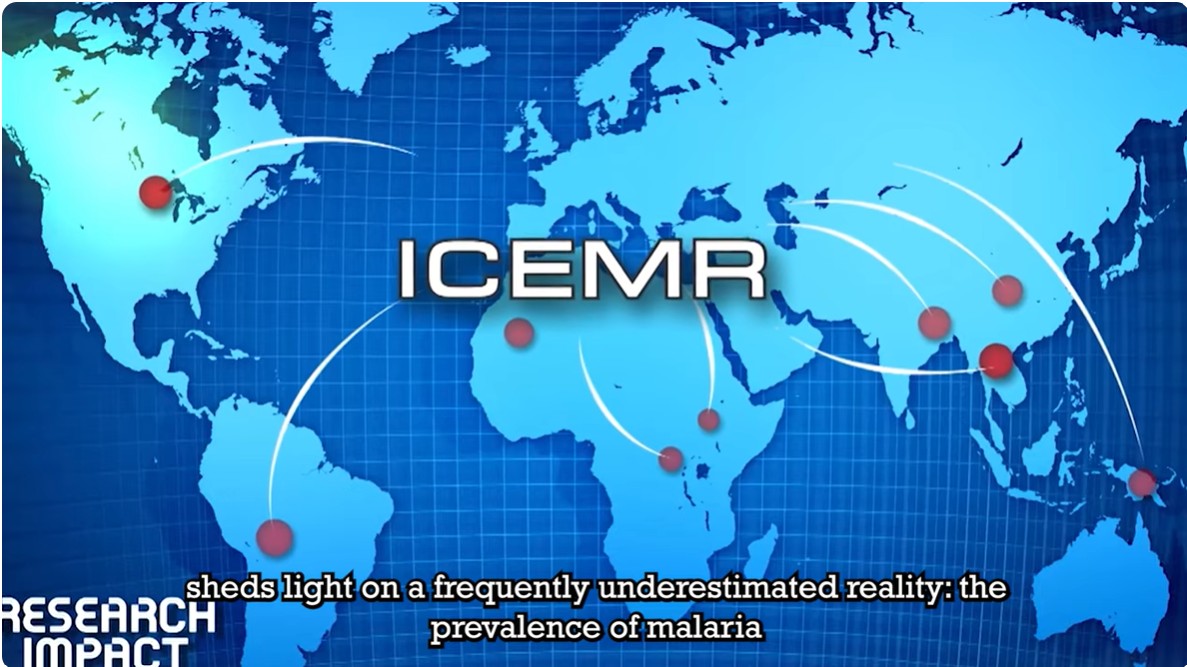
An unsuspected parasite reservoir in the heart of Bamako Conducted in December 2024 as part of the ICEMR (International Center for Excellence in Malaria Research) program funded by the U.S. government, this research sheds light on a frequently underestimated reality: the prevalence of malaria in urban settings.
The study reveals that school-aged children (6 to 13 years old) constitute a major reservoir of Plasmodium falciparum. While transmission is often perceived as low in cities, the results show striking disparities: Heterogeneous Prevalence: Infection rates vary from 0% to 30% depending on the area. High-Risk Zones: The highest prevalence rates are concentrated along the Niger River and in peri-urban areas.
Rigorous Field-Based Methodology To obtain these data, researchers cross-referenced national statistics from Community Health Centers (CSCOMs) with direct surveys in 12 primary schools across Bamako. “We selected schools near CSCOMs that had comprehensive data. With a minimum sample of 200 children per establishment and full adherence to informed consent, we were able to precisely map risks linked to local ecology,” explains Dr. Mahamoudou TOURE, investigator. A plea for evolving health strategies
The stakes are now both political and health-related. Currently, Bamako does not benefit from Seasonal Malaria Chemoprevention (SMC) for children under five. However, this study demonstrates that to achieve malaria elimination, it is imperative to include urban and peri-urban schoolchildren in future intervention strategies. Understanding residual transmission, particularly during the low-transmission season, is the key to breaking the chain of contamination. To get more details about this scientific work and discover the full results, visit the official UCRC website :
UCRC Communication Office
- Join us on YOUTUBE
- Join us on LINKEDIN
- Join us on X-PAGE