The third day of the 2nd edition of the Scientific Days of the French-speaking Africa and Fragility Network (AFRAFRA) was dedicated to its official partner, the University Clinical Research Center (UCRC). Highlighted by the presence of the Ambassador of Belgium to Mali, H.E. Mr. Arnaud DUSAUCY, this event shed light on the results of a humanitarian study on the health of internally displaced persons (IDPs) in Bamako. VIDEO
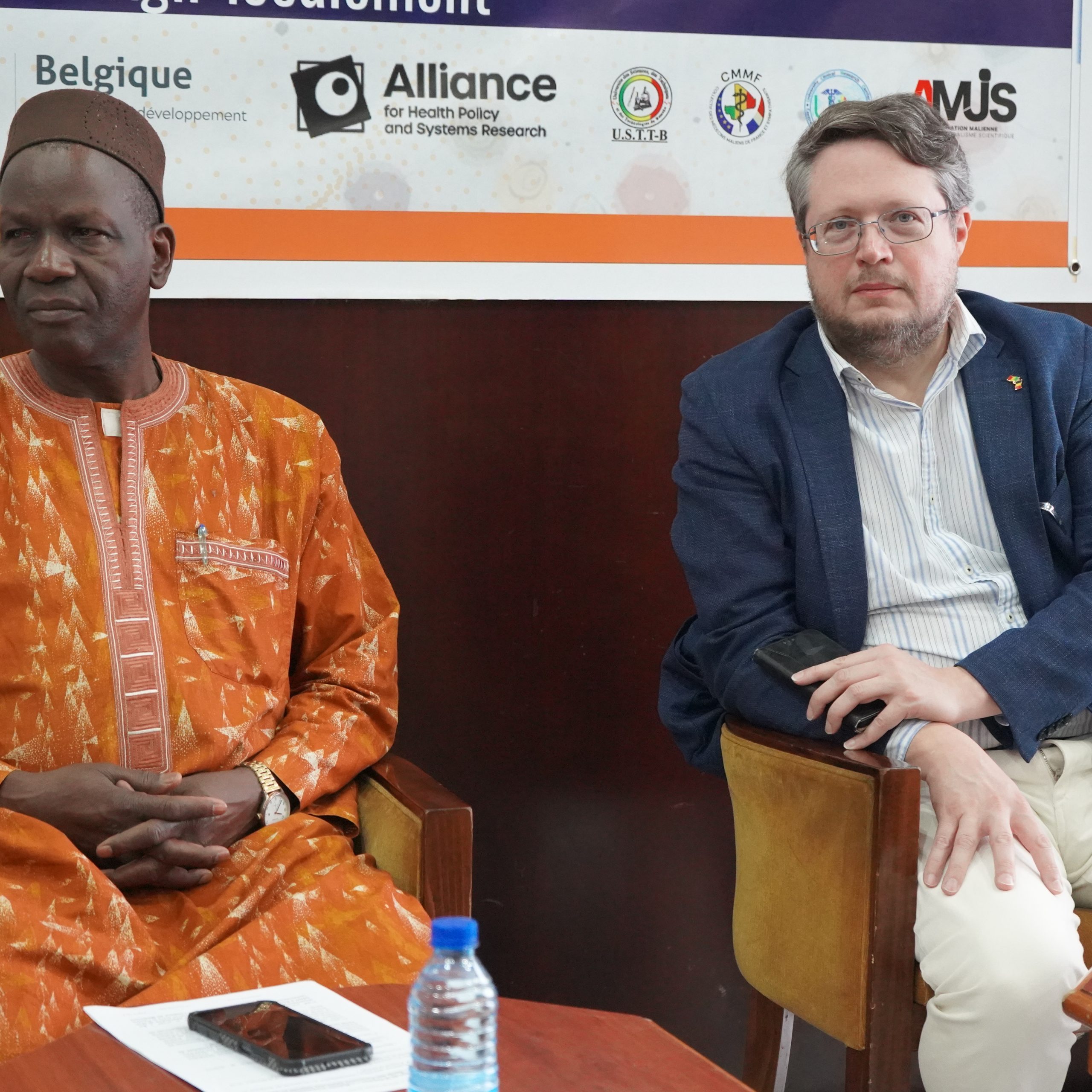
“For over a decade, Mali has been facing a succession of security and climate crises that have caused massive population displacements. These men, women, and children, forced to flee their homes, find themselves in highly vulnerable situations with limited access to essential healthcare. However, the health of displaced persons remains an area that is still insufficiently documented and integrated into health programs. It is precisely to fill the gaps in these on-the-move projects that the healthcare initiative for displaced persons in Bamako was created. This project aims to better understand how to improve the provision of healthcare to displaced persons, and more specifically their ability to manage risks at the human-animal-environment interface.”, indicated the Rector of the University of Sciences, Techniques and Technologies of Bamako (USTTB).

This two-year study, conducted jointly with the Institute of Tropical Medicine Antwerp, was carried out at internally displaced persons sites located around the urban livestock markets of Niamana and Faladiè in Bamako.
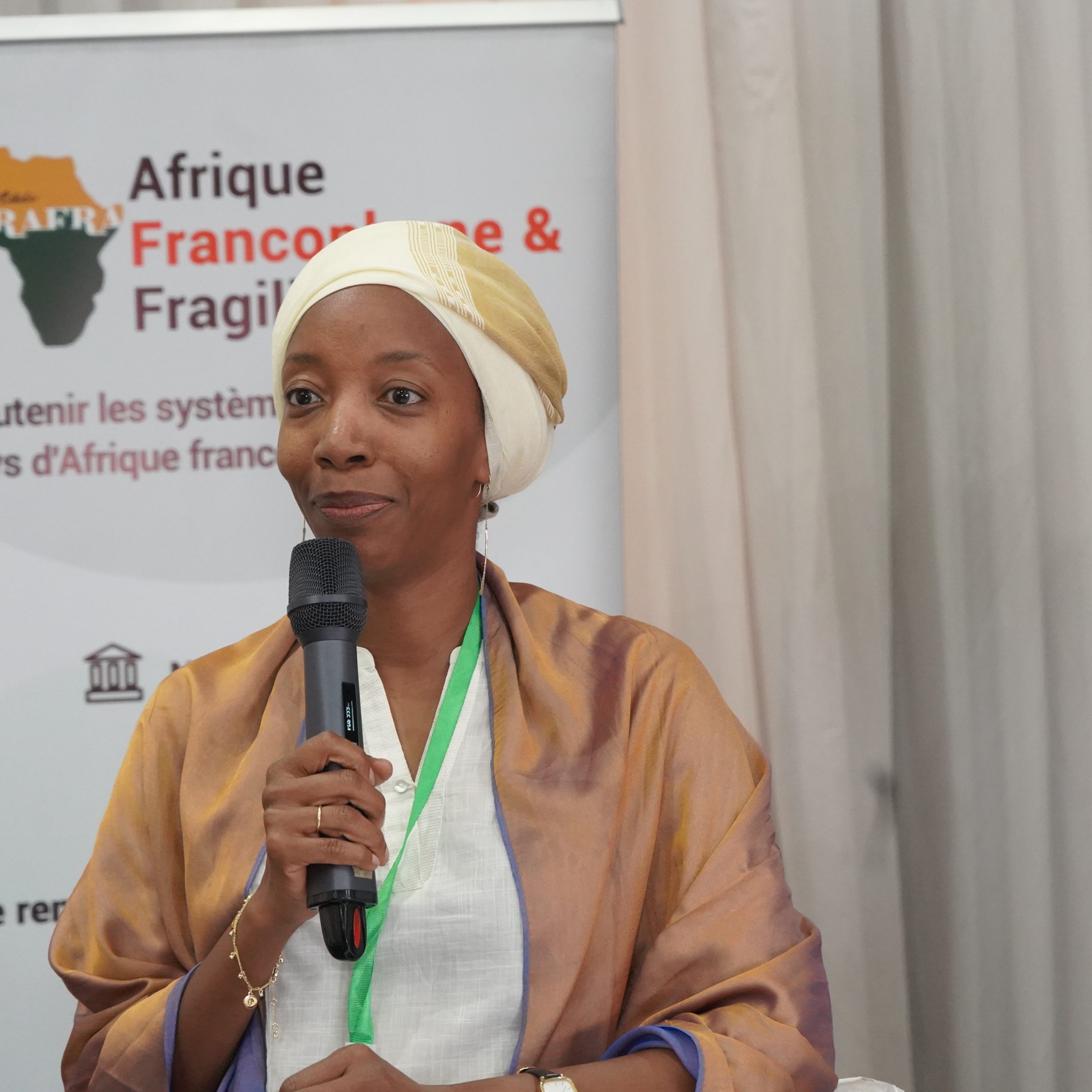
« In the Sahel, more than 2 million people are affected by these displacements. In Mali, there are around 400,000 displaced persons. This displacement leads to what is known as super-vulnerability, posing multiple challenges for the State, our healthcare system, and the financing of social protection. Above all, we conducted 35 key informant interviews, three focus groups, and a co-creation workshop with internally displaced persons, the host community, human, animal, and environmental health professionals, local authorities, NGOs, and key informants at those sites. The initial results regarding the perceptions shared with us by our stakeholders, the displaced persons, and the host communities primarily concern environmental issues, namely access to truly safe drinking water and poor hygiene conditions. There was air pollution from waste accumulating around the displaced populations. Furthermore, animal diseases such as tuberculosis and rabies were mentioned by displaced persons as potential risks. On the human health side, the main concerns were diseases like malaria, infectious and respiratory diseases, as well as epidemics. said Dr. Zakaria KEITA, epidemiologiste/Researcher at UCRC.
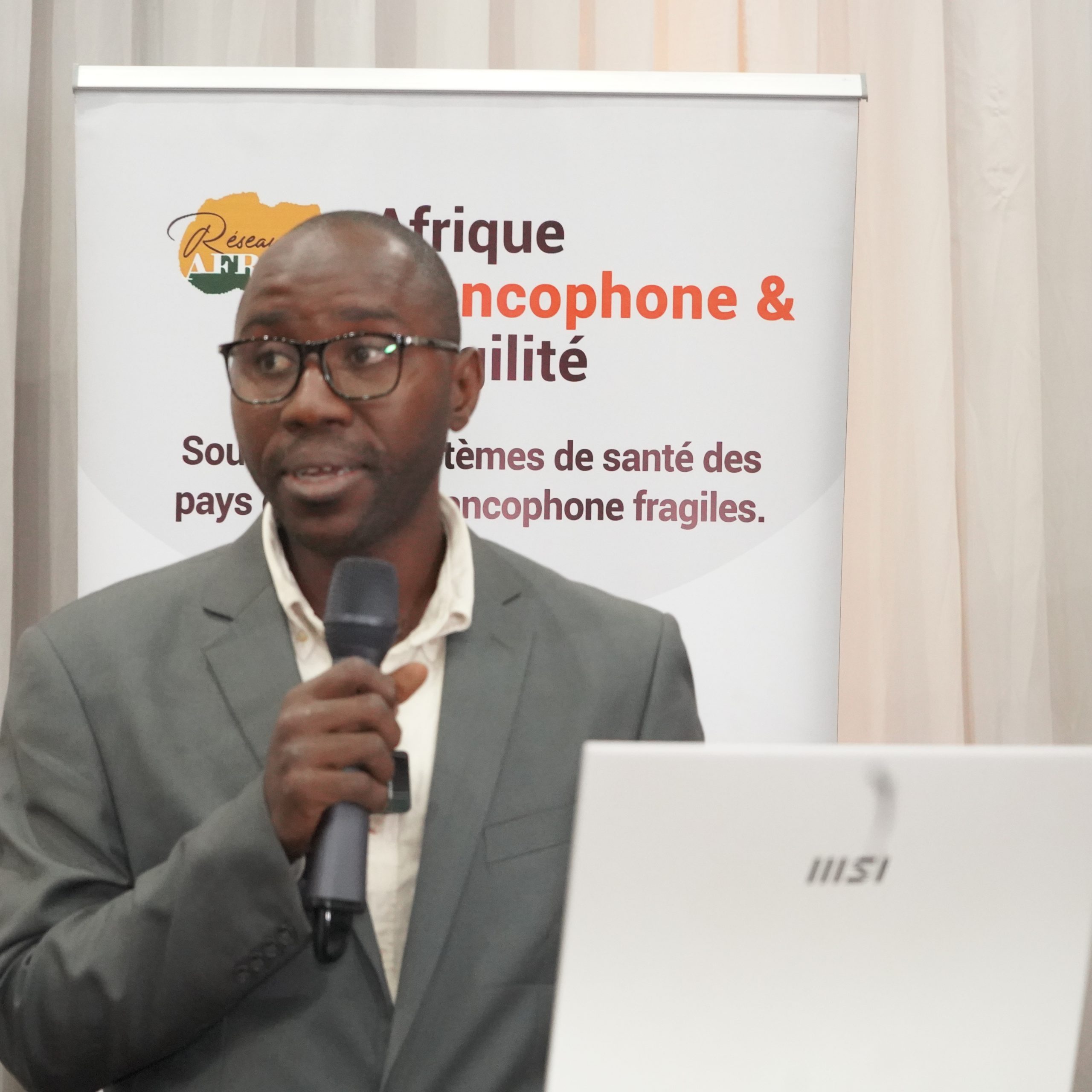
A situational analysis and a stakeholder mapping were carried out.
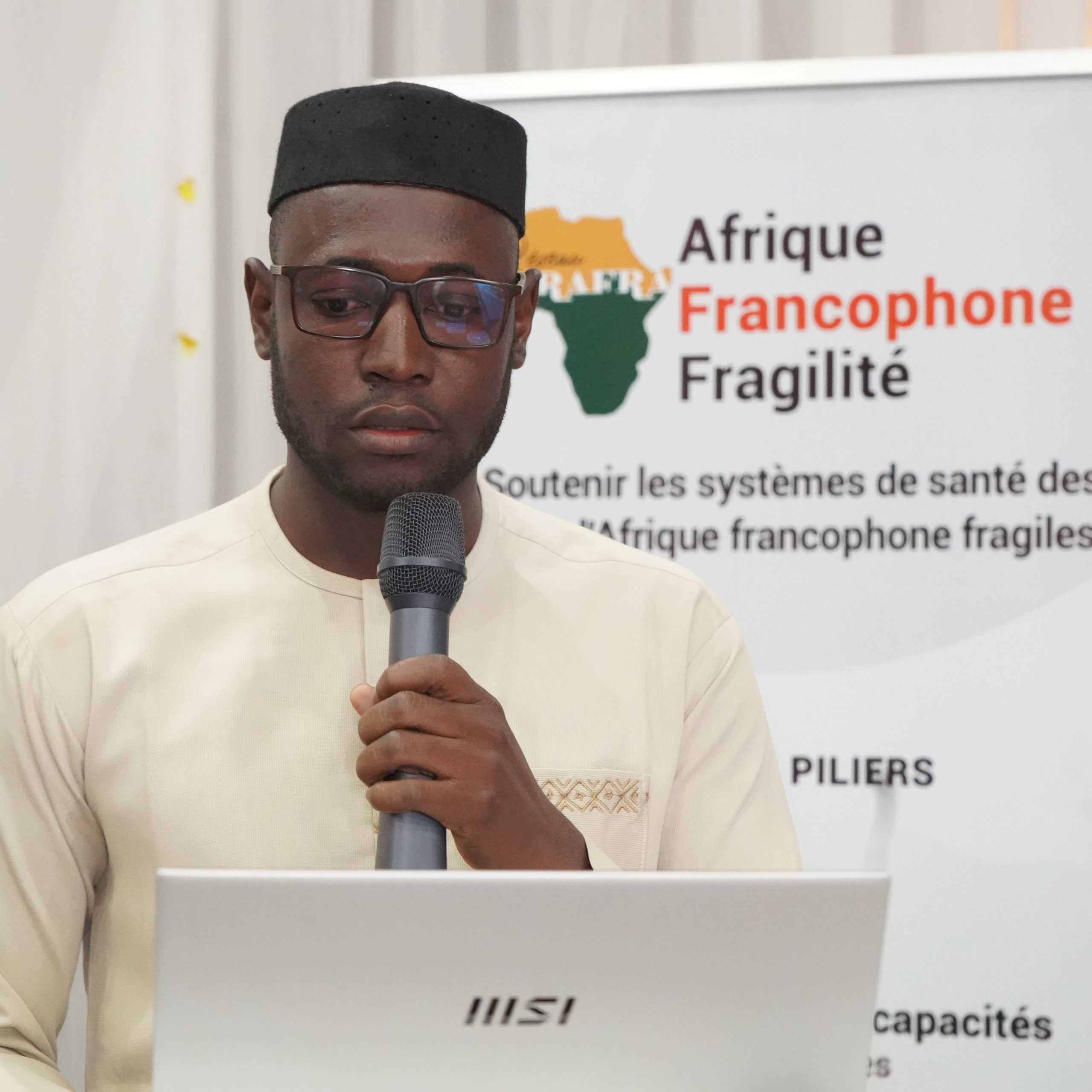
“You know, we scoured quite a few databases regarding free scientific literature. In the meantime, between 2010 and 2026. The second phase consisted of data mapping. This involved looking into the institutional and humanitarian actors in Bamako. Through the interviews conducted, we identified the data and reports they had at their level regarding this subject. We obtained 1,393 documents, which were screened down to 47 documents based on inclusion criteria. And we listed 23 documents for this study.”, Said Harouna DIARRA, investigator at UCRC.
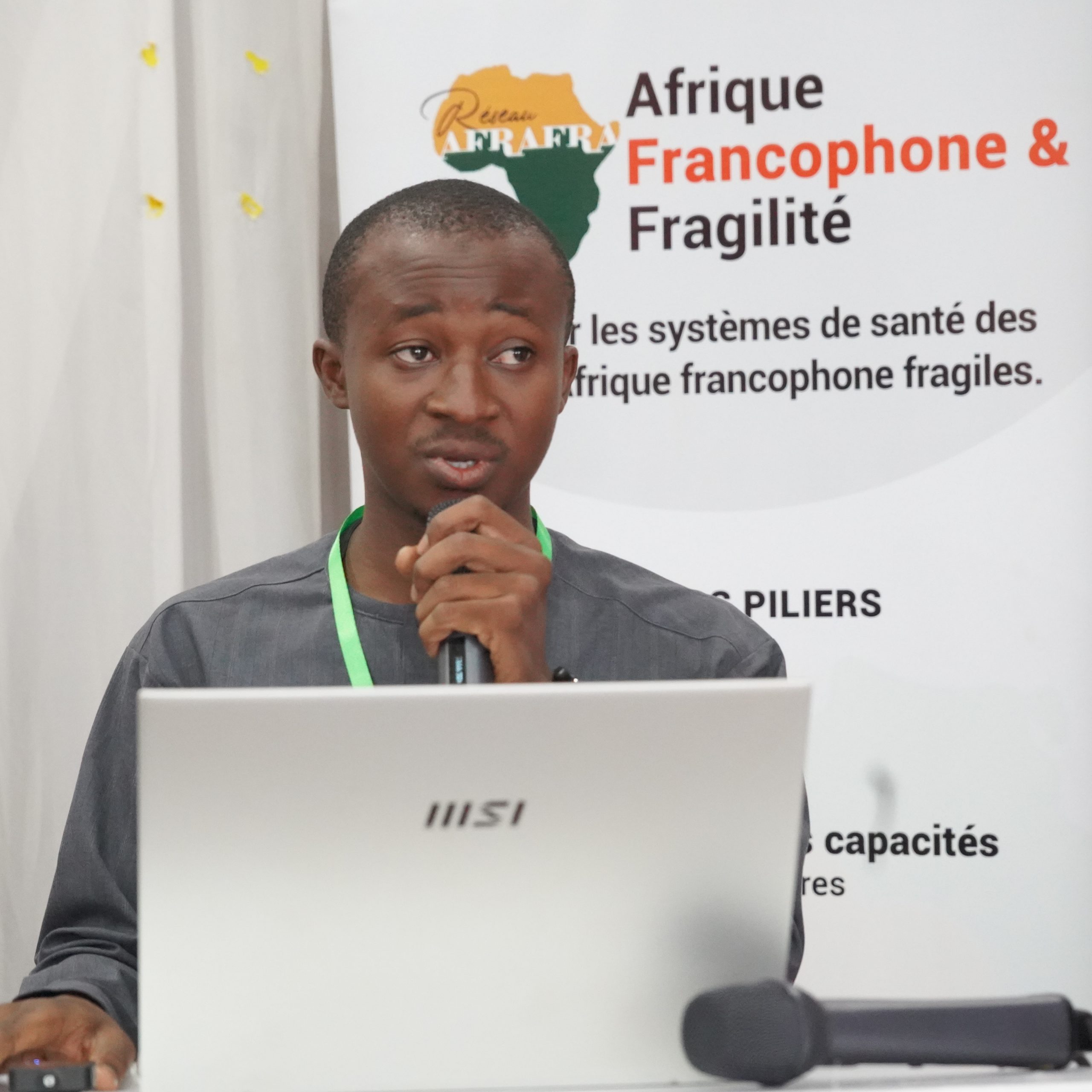
In this study, health and geographical data revealed a very limited framing of the One Health approach. “These are documents recovered based on the different regions in Mali. Regarding coverage, we can see a certain concentration here in Bamako with 16 documents and 7 in Ségou, and a more limited presence in regions such as Timbuktu, Mopti, Koulikoro, and Sikasso, while there are other studies that speak of a national scope. These notably include studies that discuss Mali in general, without citing a specific region. There is also the document that discusses multi-regional [issues], and this is a document that addresses several regions at the same time. Most of documents are limited to human health in a One Health context, and there are a few that integrate the environmental aspect, and only two associate the animal and environmental dimensions.“, Alou SIDIBE, Investigator at UCRC.
The human-animal-environment interface remains the minimum condition to be explored for the co-creation of suitable interventions. This work is an ethical responsibility aimed at raising awareness among the public and decision-makers regarding the situation of these vulnerable populations.
UCRC Communication Officer
- Join us on YOUTUBE
- Join us on LINKEDIN
- Join us on X-PAGE