As part of the third day of the 2nd edition of the AFRAFRA Scientific Days dedicated to the University Center for Clinical Research, Professor Seydou DOUMBIA had the privilege of moderating a high-level panel. The discussions focused on the crucial theme: ‘Mobility (Forced Displacement) and Health: Health of Internally Displaced Persons in Mali’. This work took place in the presence of eminent personalities, including: H.E. Mr. Arnaud DUSAUCY, Ambassador of Belgium to Mali. Professor Mahamadou DIAKITE, Rector of the University of Sciences, Techniques and Technologies of Bamako (USTTB).
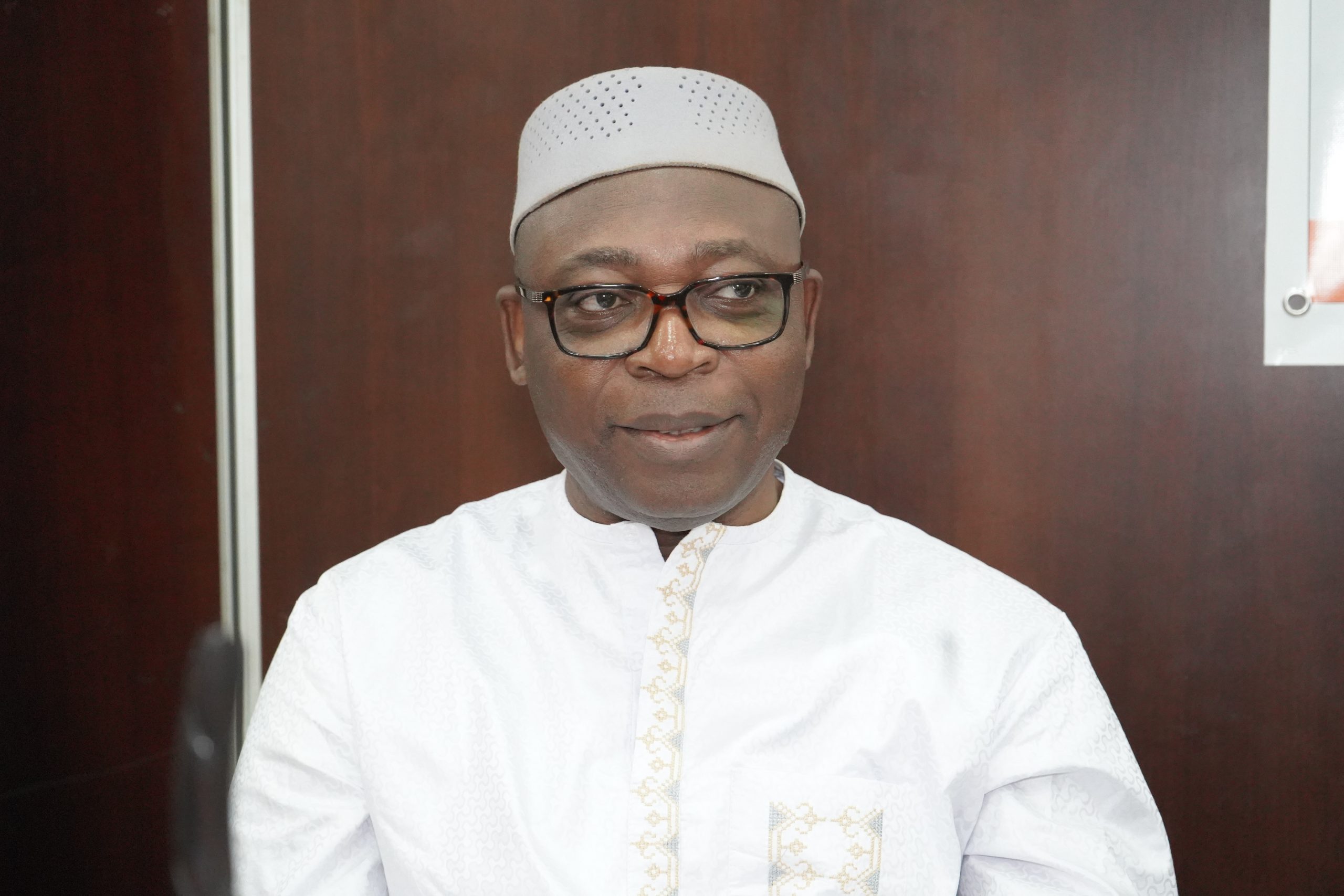
“In this panel, we will address the following topics: humanitarian perspective and protection of internally displaced persons; perspectives regarding the healthcare system and Malian social affairs; perspectives in the framework of health coordination; and perspectives on research and scientific gaps...”, said Prof. DOUMBIA. FOR MORE DETAILS, WATCH THE VIDEO
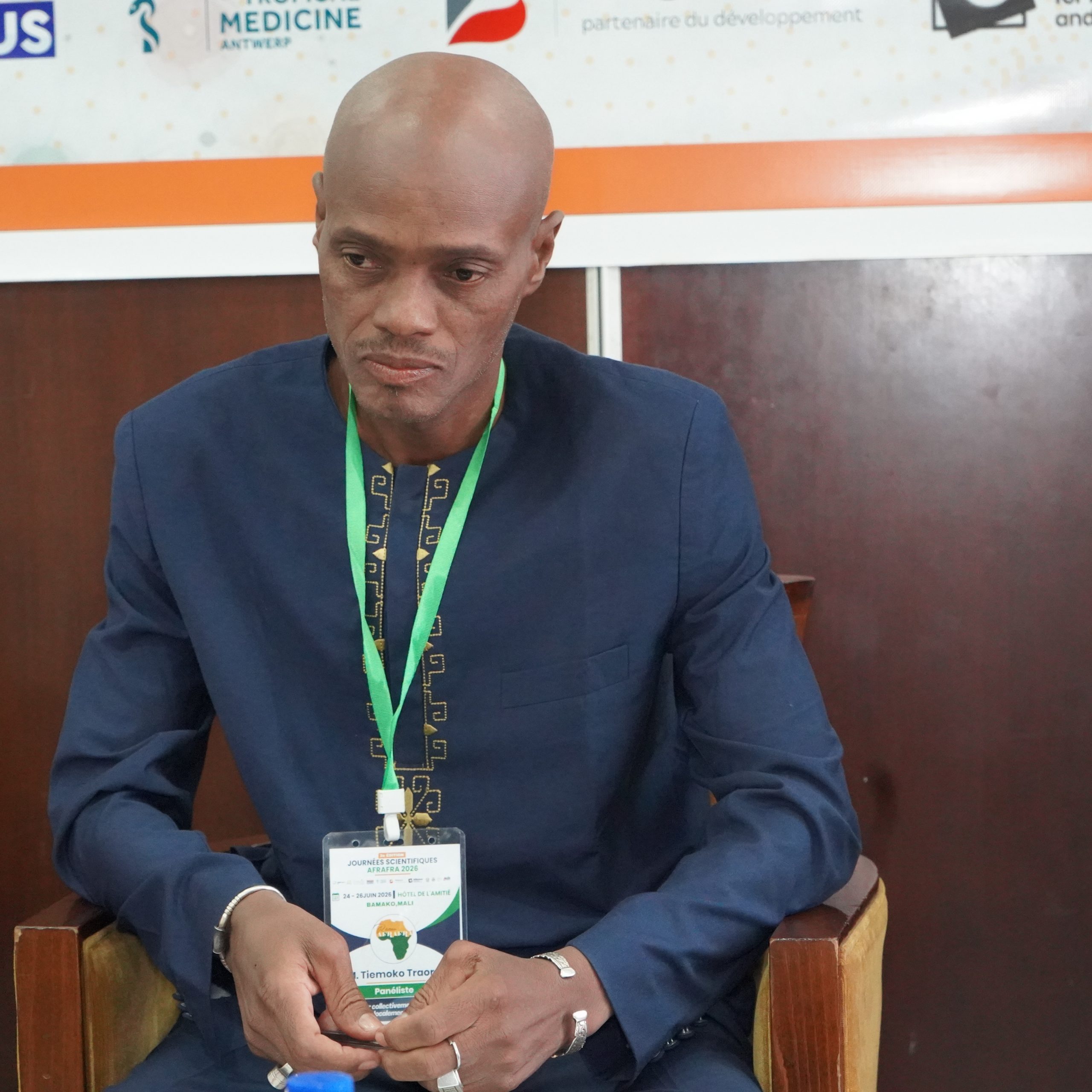
Mr. Tiémoko TRAORE, Panelist/Representative of the National Directorate for Social Development (DNDS) : “3,685 displaced persons living on the site in Bamako and surrounding areas, and 1,030 people in host families who have been identified and, of course, registered in our database. Therefore, that is one of the figures I wanted to highlight first. Regarding changes in health, I must admit, what is the specificity here? Others have mentioned before that these displaced persons are specific cases. Indeed, I must admit that some of them had not even reached their regional capitals, let alone the city. So, imagine someone leaving his or her hamlet and ending up all the way in Bamako. You can see that this is a major change. We must recognize that initially, there were many, many challenges because in the first year, we were confronted with measles epidemic cases, especially at the sites in Bamako. Therefore, we launched a major campaign, and I would like to take this opportunity to thank the Reference Health Center (CSRéf) of Commune 6, as the majority of displaced persons in Bamako are in Commune 6. Thus, we integrated the health team for a mobile team strategy. Consequently, almost all sites benefit from routine vaccination organized by the Community Health Centers (CSCOM) across all sites. That is a reality. Despite the fact that the situation on the sites changed following the events of April 25. If a member of a displaced family falls ill, the head of the family comes with the card that contains all the information about the family members. They then go to the CSRéf, of course, because the system put in place has not yet reached all CSCOMs. They will present themselves with this card, and thus, care will be provided.”
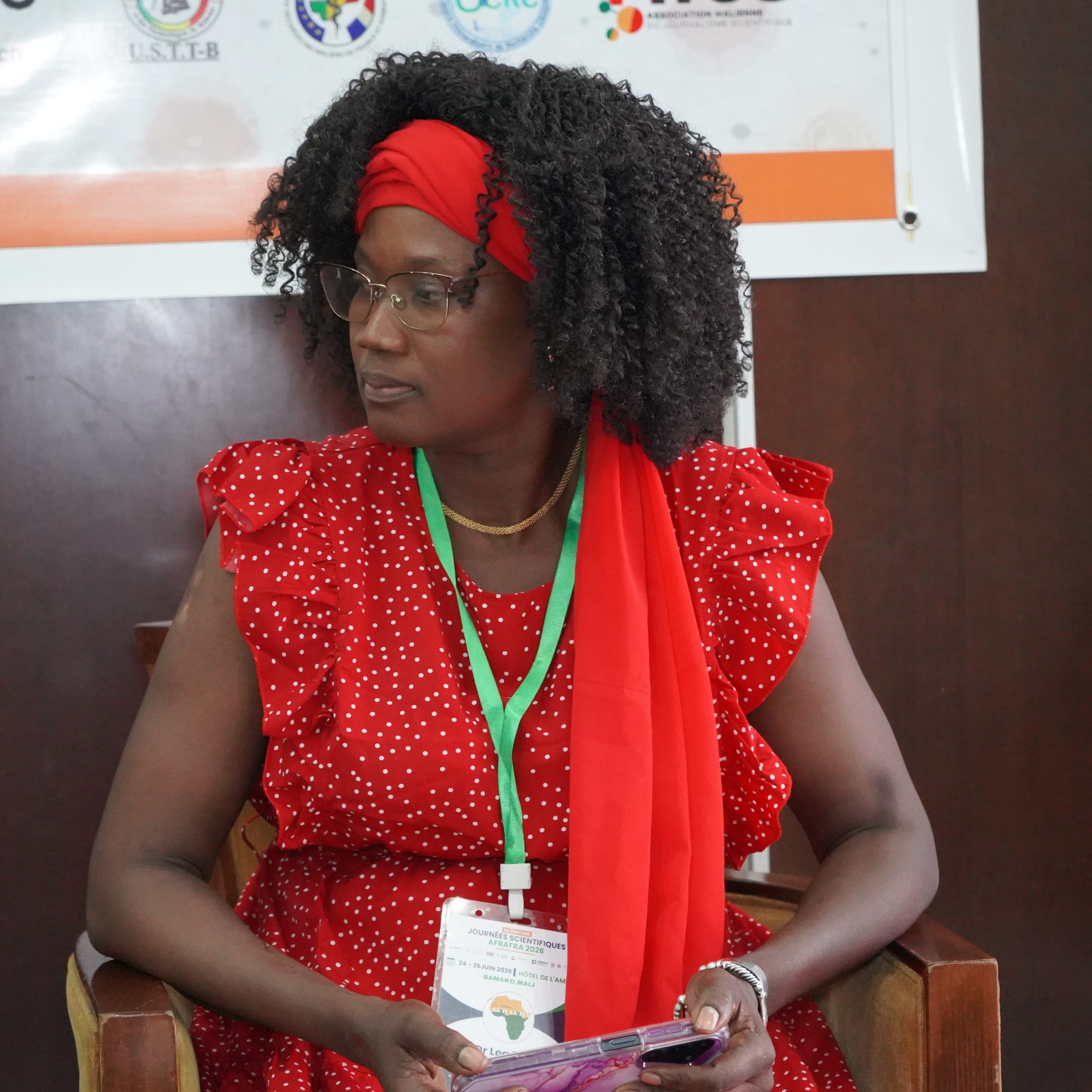
Dr. DEMBELE Léa DAO, Panelist/Co-coordinator of the Health Cluster-ALIMA : “We play a balancing role, primarily guiding people to the services in areas where the needs are greatest, but also to avoid duplication of interventions. With shrinking resources, I think we have no choice but to offer more coordination that is effective in order to achieve our response objectives. This structuring is also because we are in a prolonged crisis. In addition, if the crisis falls into a situation of neglect, there is not enough mobilization around health activities. Consequently, activities are less funded. Needs exist everywhere, but we target the most vulnerable populations. Regarding the strengthening of the health system, we can see that our partner NGOs, which are humanitarian actors, provide healthcare services and access to care for disadvantaged and vulnerable populations through mobile clinics. These mobile clinics go out to compensate for access issues by providing care free of charge.”
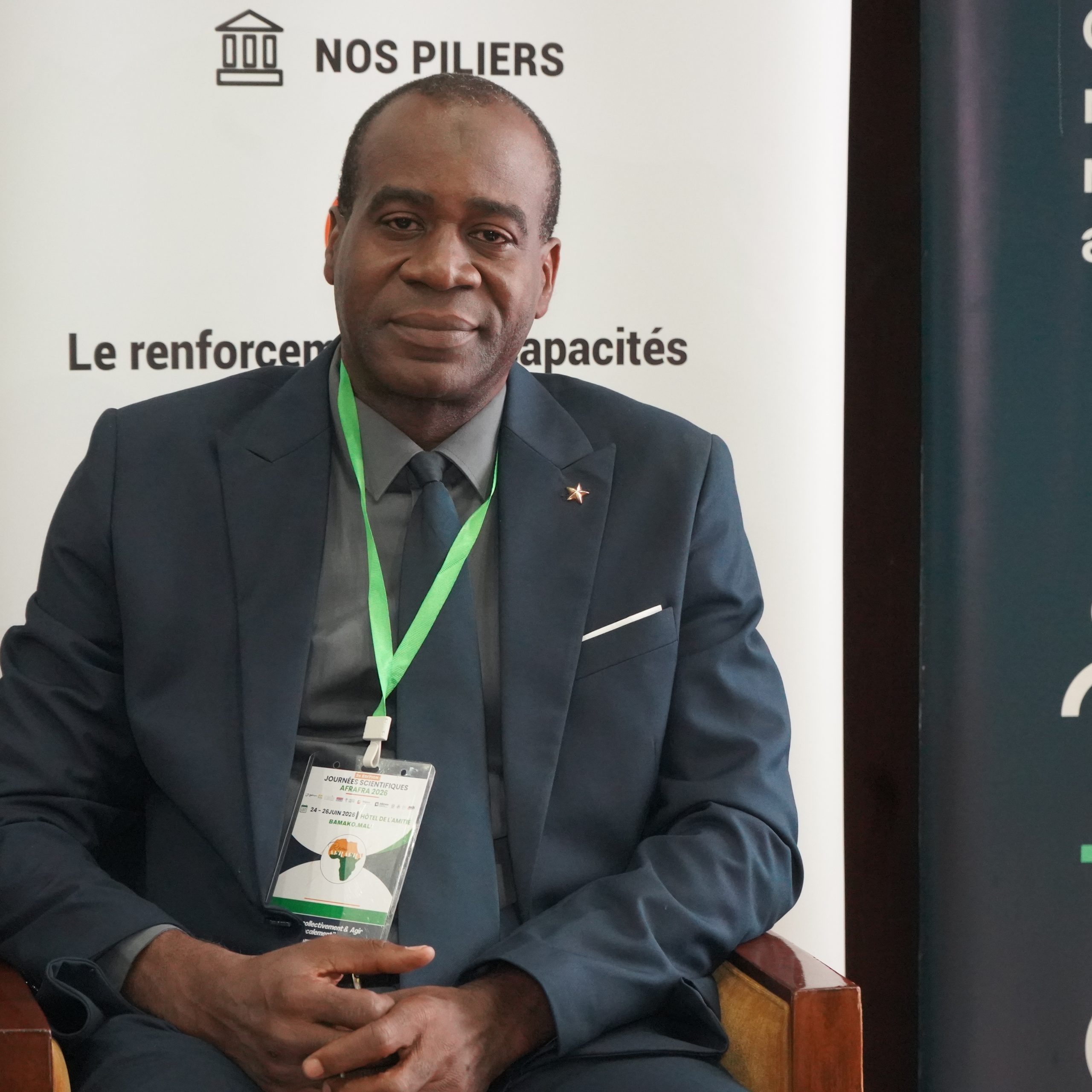
Prof. Moctar TOUNKARA, Panelist/Professor-Researcher at USTTB-FMOS: “We say that internally displaced persons are primarily the window into the health status of host sites. You could have a perfect grasp of your health system, but if there is a host site and you do not understand the health status of the internally displaced persons, you will not get far. Our colleague just spoke about the measles epidemic. Obviously, this should enlighten us regarding the vaccination status of children under 5 years old on these sites. First, if you want to conduct research, you rely on available and existing data. However, generally, in conflict zones, this data is not available. Data is usually very scarce, and even if there are available records, the data is difficult to use or extremely incomplete. This is also an aspect that can complicate the implementation of research in conflict zones.”
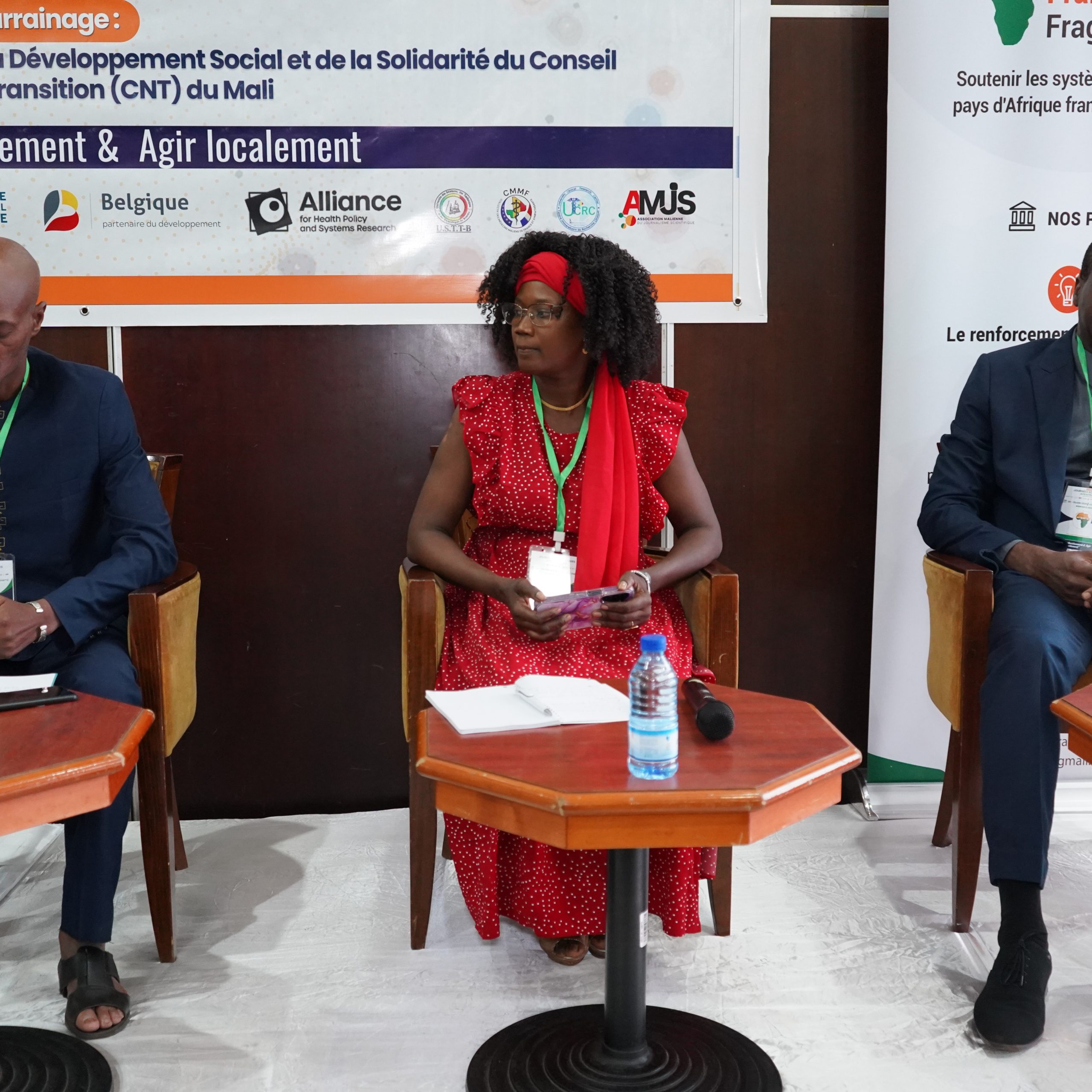
“Thank you, good luck, and continued success. The Belgium is with you, and we stand together. Together, we will manage to overcome the difficulties affecting this country.”, said H.E. Mr. Arnaud DUSAUCY, Ambassador of Belgium to Mali.
UCRC Communication Office
- Join us on YOUTUBE
- Join us on LINKEDIN
- Join us on X-PAGE