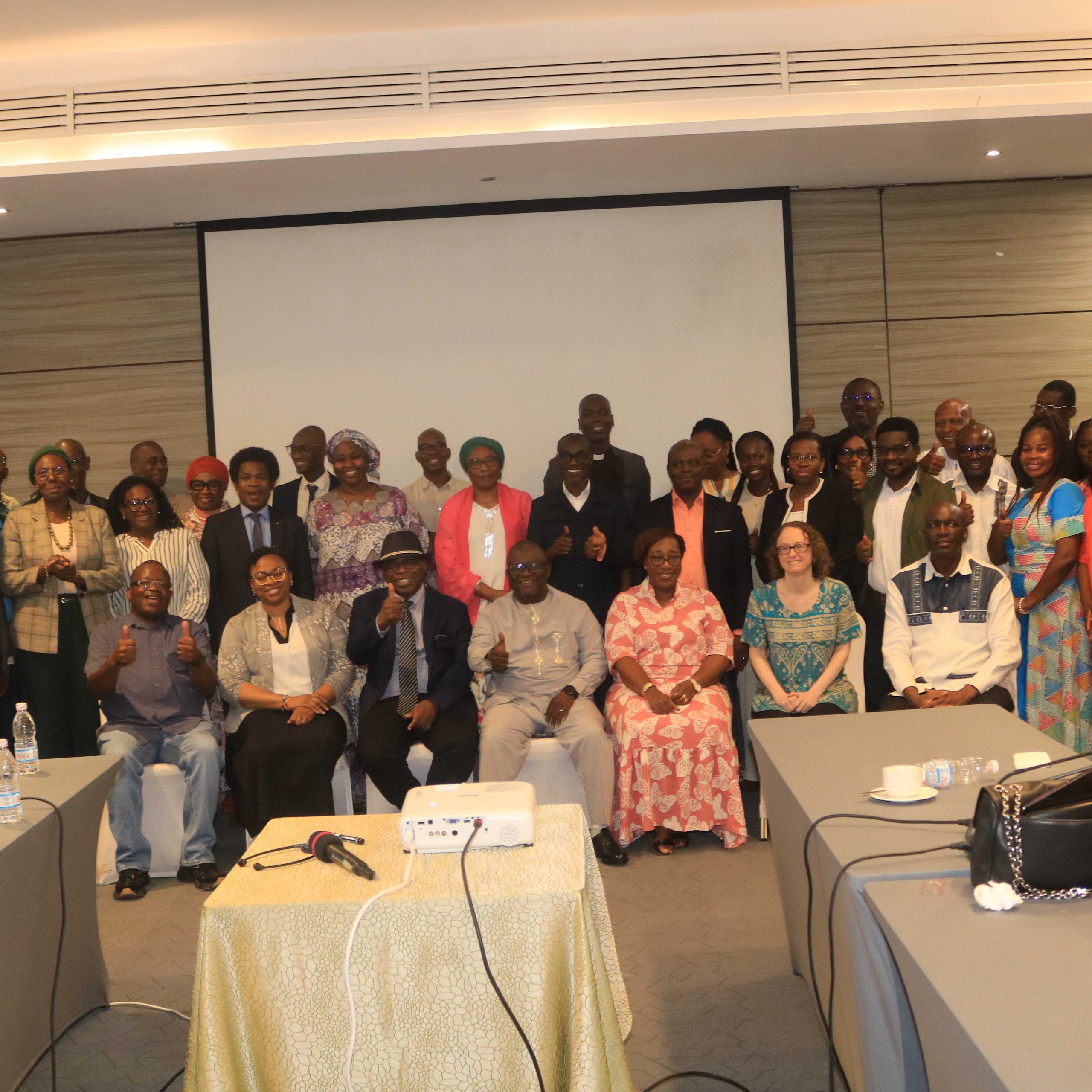
Abidjan, the Ivorian capital, hosted a regional workshop from July 13 to 15, 2026, on research ethics and capacity building for Ethics Committee members regarding the evaluation of research protocols. During this workshop, which brought together around fifty participants—including researchers from French-speaking African countries and the United States—the University Clinical Research Center (UCRC) of the University of Sciences, Techniques and Technologies of Bamako (USTTB) was represented by a major delegation led by its Director, Professor Seydou Doumbia. VIDEO.
Over the past decade, West Africa has experienced an unprecedented boom in biomedical and public health research, propelled in particular by clinical trials related to the Ebola and COVID-19 epidemics, as well as the development of genomic studies. This momentum is an opportunity for our continent, but it also imposes a crucial responsibility upon us: that of ensuring science progresses with absolute respect for scientific integrity, professional ethics, and the protection of participants.
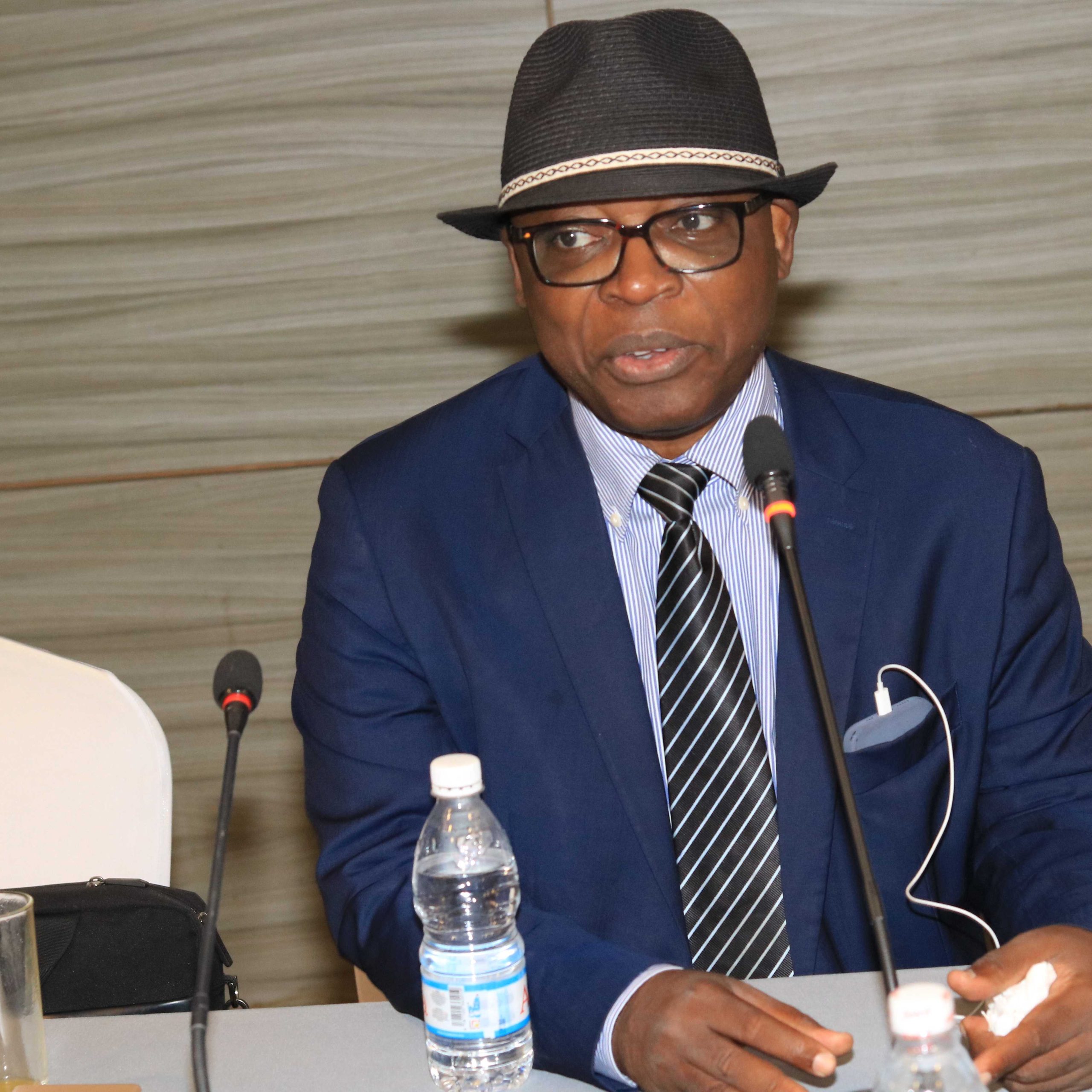
“This is precisely the entire ambition of the US-French-Speaking Africa Research Ethics Training Program (US-FA RETP), the fruit of a close and historic collaboration between George Washington University (GWSPH), the University of Sciences, Techniques and Technologies of Bamako (USTTB), and the Gamal Abdel Nasser University of Conakry (UGANC),” said Professor Housseini Dolo, Faculty member at USTTB. Our shared goal is to make our region a hub of excellence and independence in bioethics, he added.
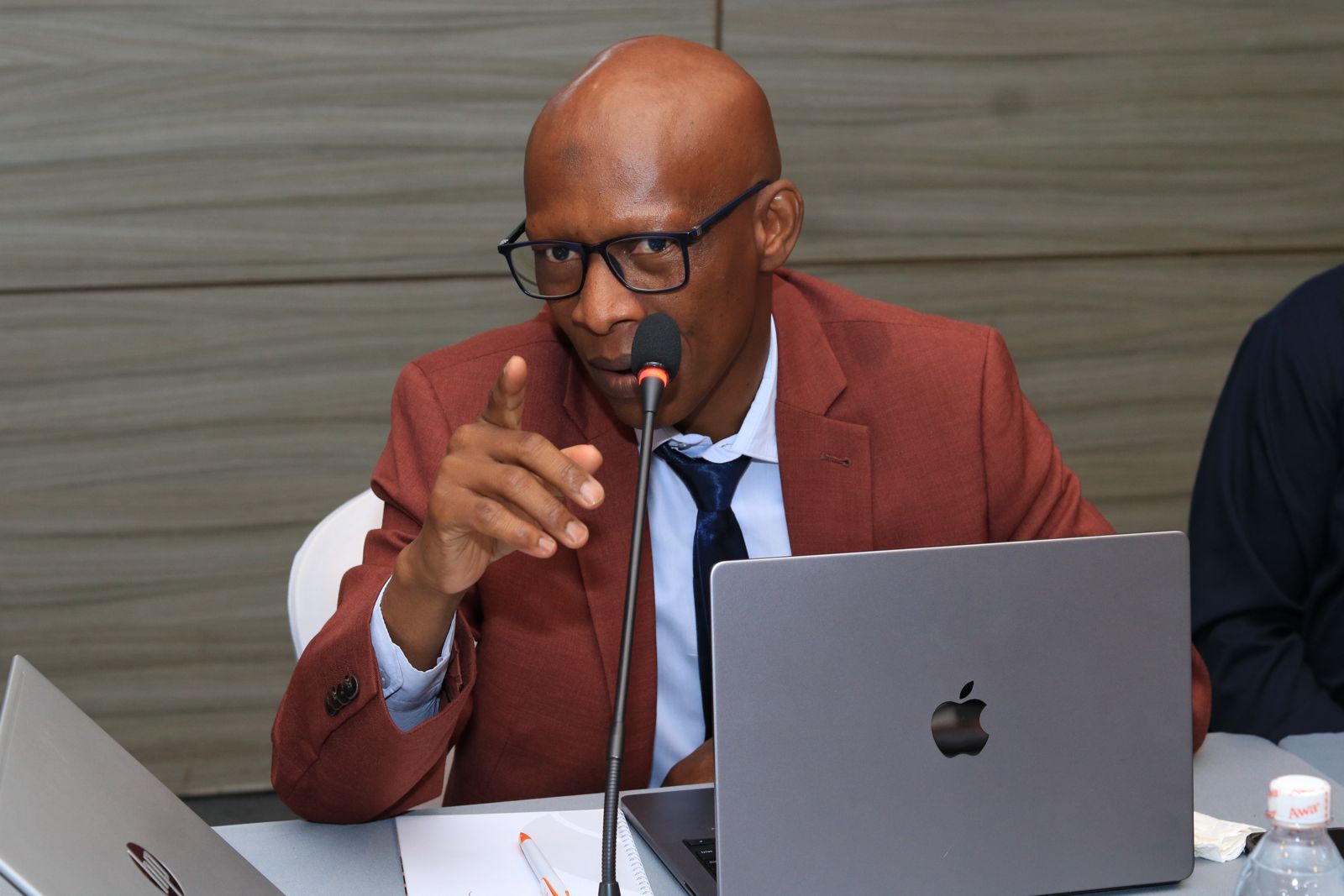
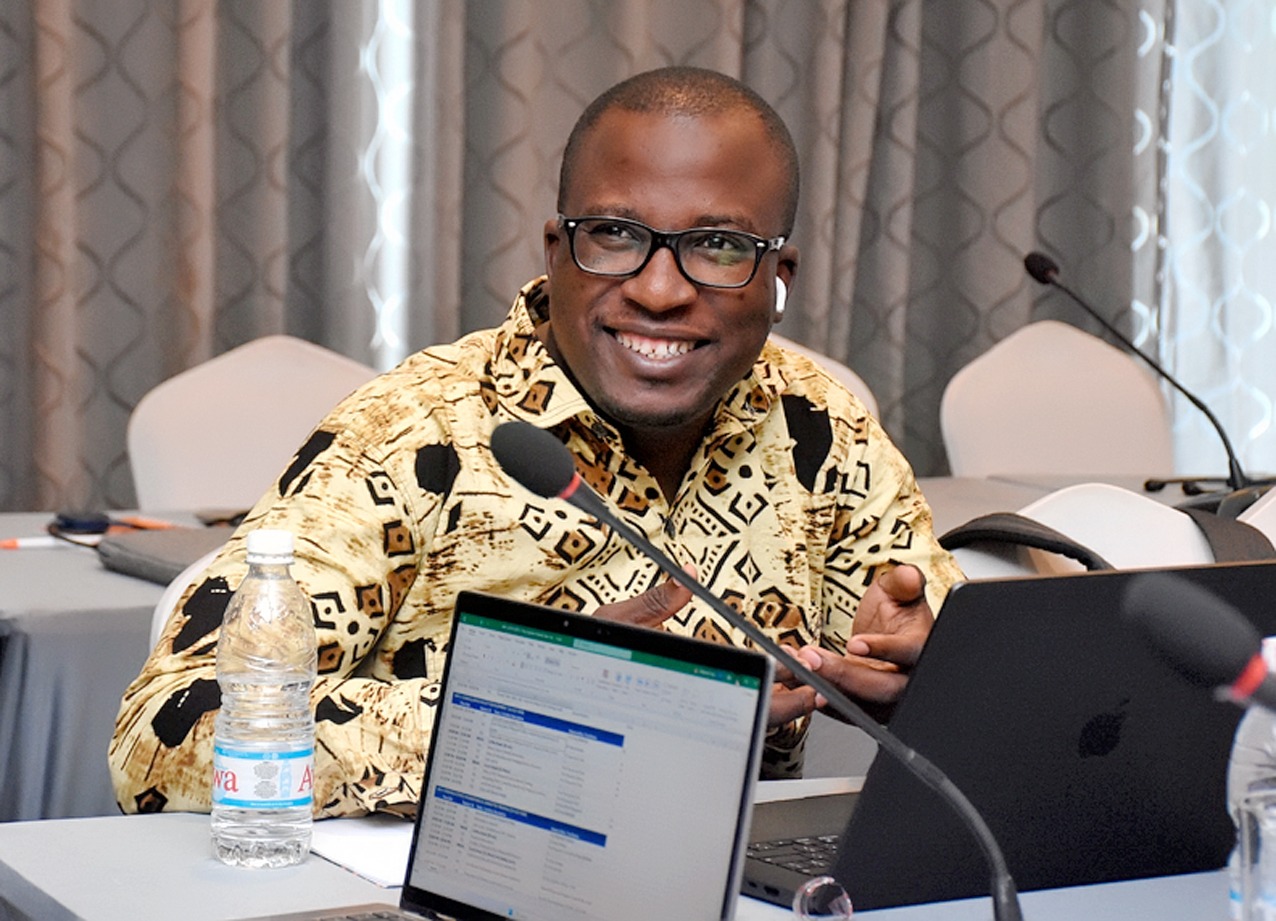
Malian researchers from the UCRC/USTTB are among the trainers in this training program. The skills expected from this capacity-building workshop include mastery of the fundamental principles of ethics in research involving human participants, knowledge of the main national and international guidelines and regulations applicable to research, etc.
“Our burning desire is the responsible conduct of research and the proper governance of ethics committees within our African context, upon which a safe, rigorous, and internationally respected African research environment will be built,” Professor Dolo stated at the opening of the workshop.
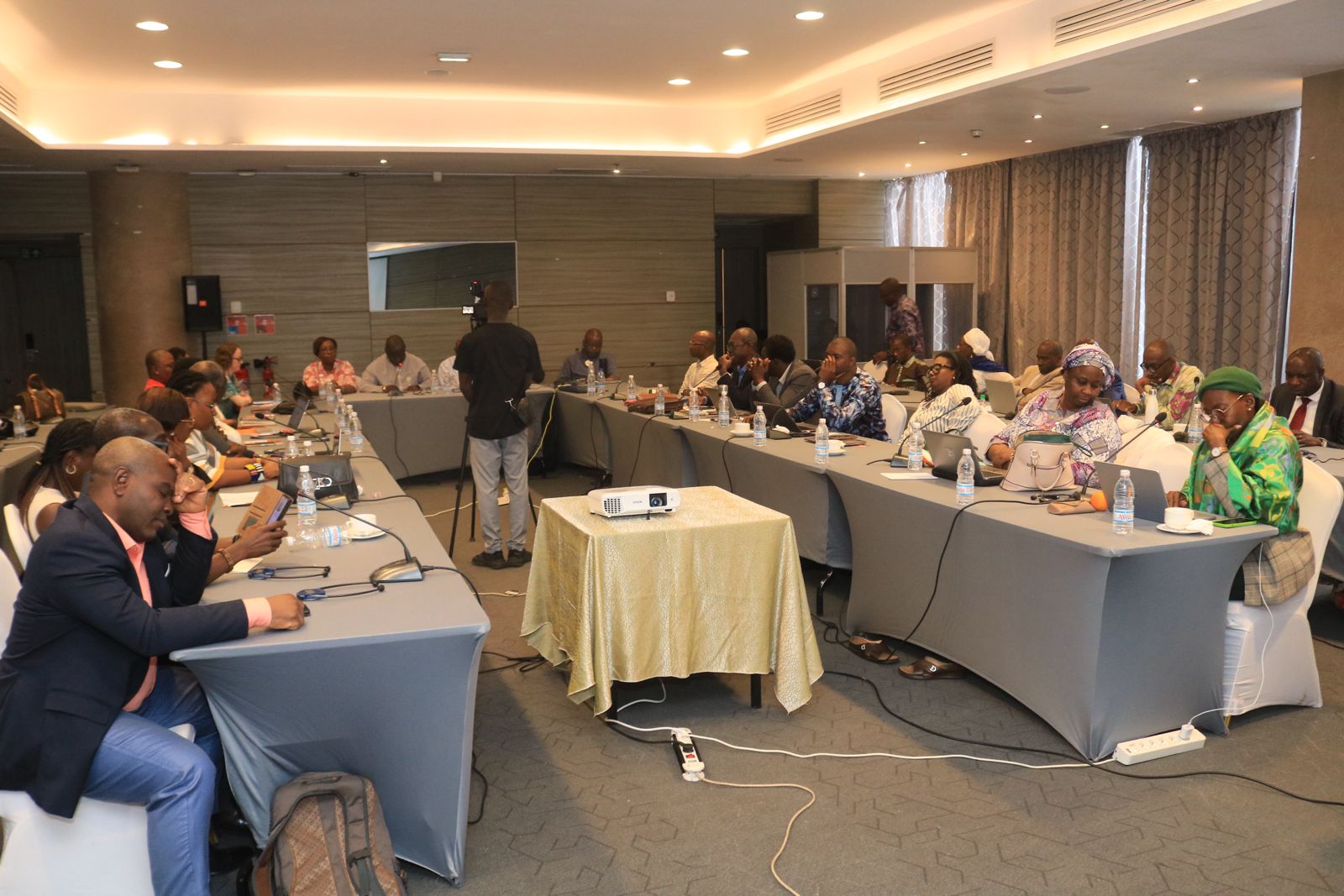
This capacity building will provide Côte d’Ivoire with a double benefit. On one hand, a better-equipped Ethics Committee capable of supporting Ivorian researchers, and on the other hand, a strengthened position for Côte d’Ivoire as a reliable and credible partner for international research.
UCRC Communication Office
- Join us on YOUTUBE
- Join us on LINKEDIN
- Join us on X-PAGE