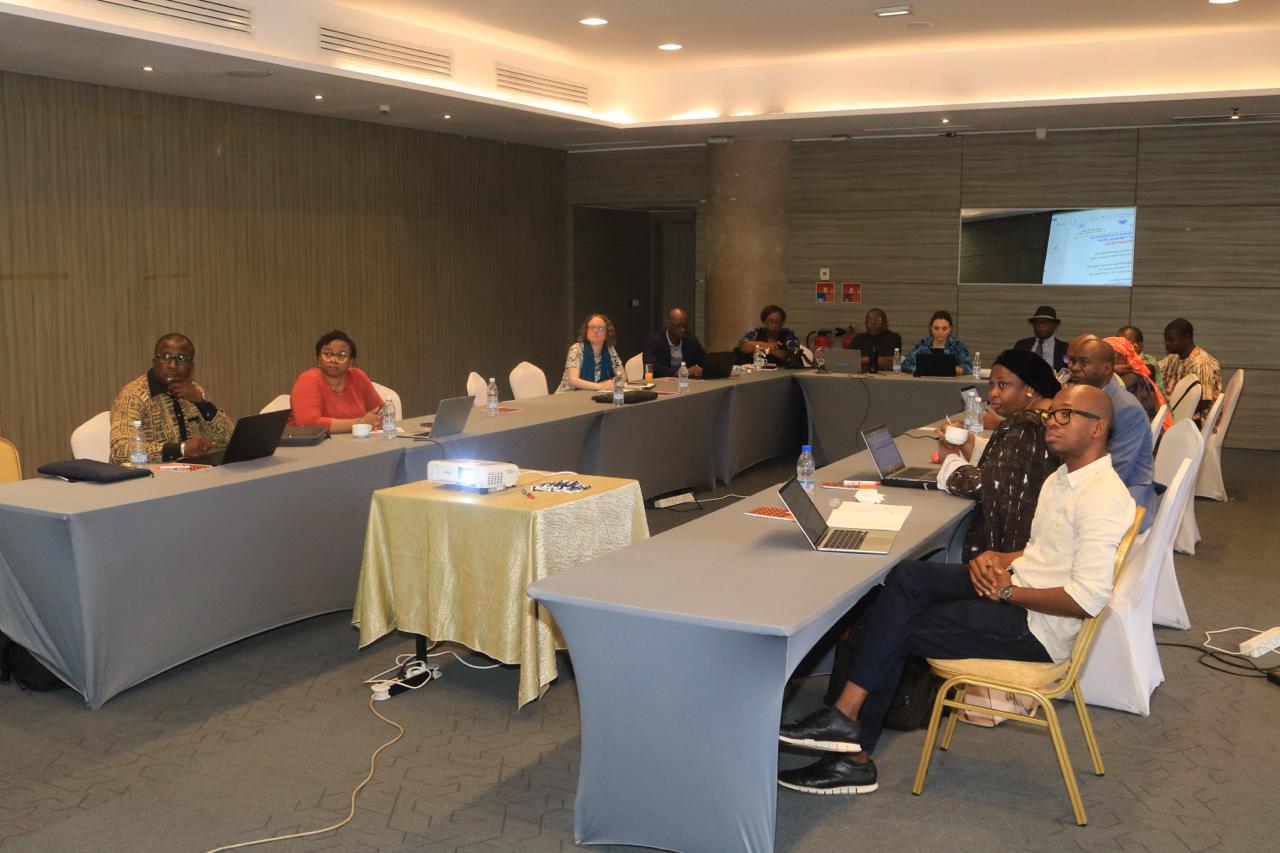
From July 16 to 18, 2026, Abidjan hosted a three-day strategic workshop focused on developing competency-based curricula related to non-communicable disease (NCD) risks.
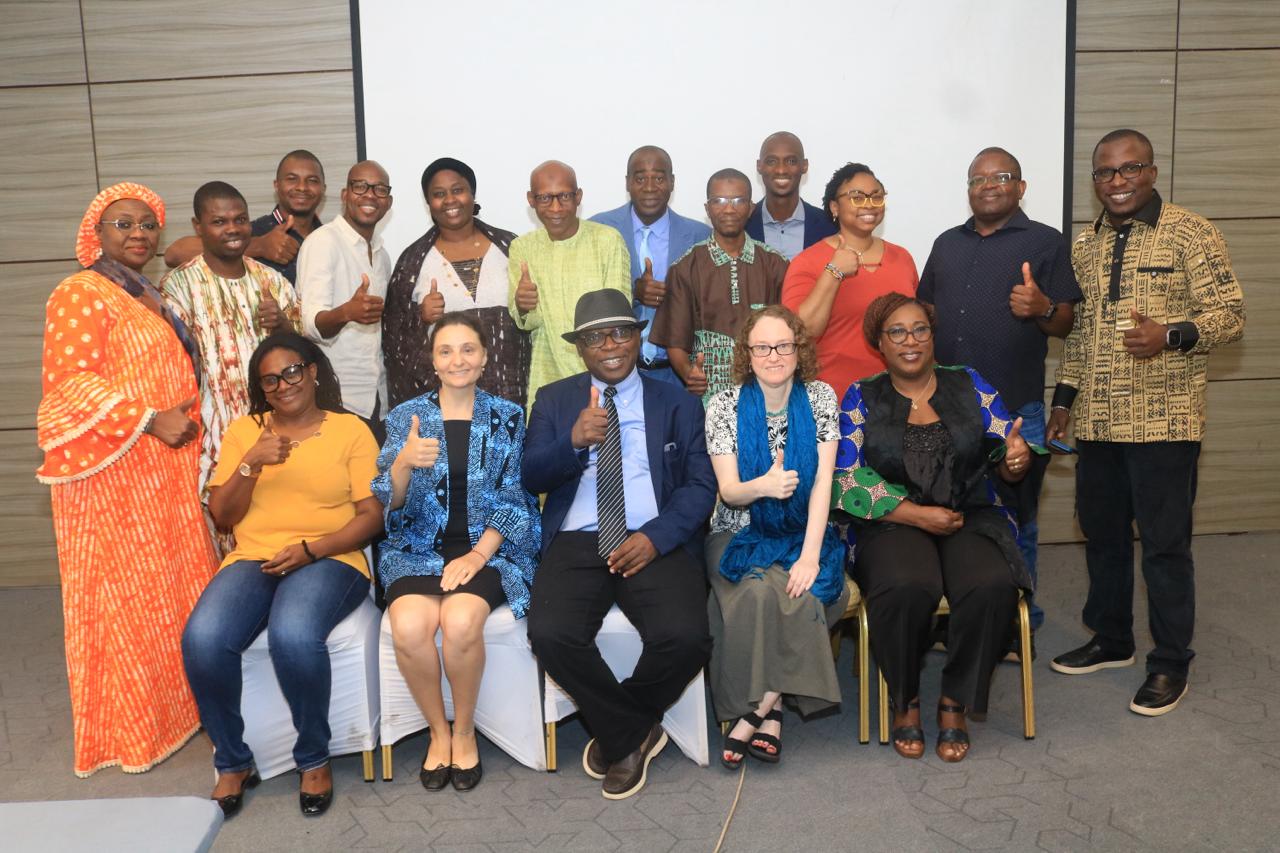
This high-level meeting brought together professor-researchers from the University of Sciences, Techniques and Technologies of Bamako (USTTB), their counterparts from the George Washington University Milken Institute School of Public Health (GWSPH), and experts from the Félix Houphouët-Boigny University of Côte d’Ivoire.
An Ambitious Program for Mali
This workshop is part of the NCDRisk-Mali project, a joint research-training program between USTTB and GWSPH. Financially supported by the Fogarty International Center of the United States National Institutes of Health (NIH), this initiative aims to sustainably strengthen research capacity on NCD risk factors in Mali.
Non-communicable diseases represent a major and growing health challenge in Africa. They are largely driven by modifiable risk factors such as: Smoking and harmful alcohol consumption, unbalanced diet and sedentary lifestyle, obesity and hypertension, exposure to environmental pollutants
Co-Developing for Greater Impact
The objective of this collaborative event was to design high-quality courses, perfectly adapted to the regional context, to support applied research. It marks the first step toward creating new teaching modules, improving researchers’ skills, and establishing an advanced seminar cycle delivered directly at USTTB.
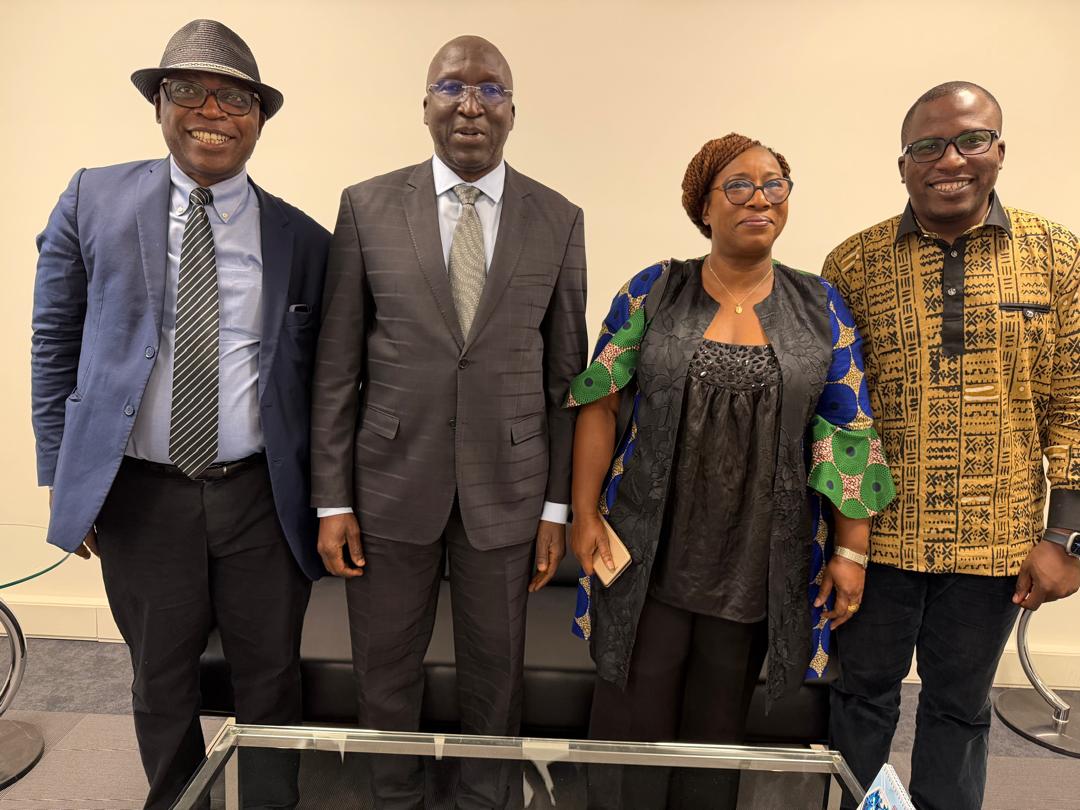
“Strengthening higher-level training on NCD risk factors is essential to develop local capacities in research, teaching, and evidence-based interventions, thereby improving population health,” emphasized Professor Seydou Doumbia, Director of the University Clinical Research Center (UCRC) and representative of the Rector of USTTB.
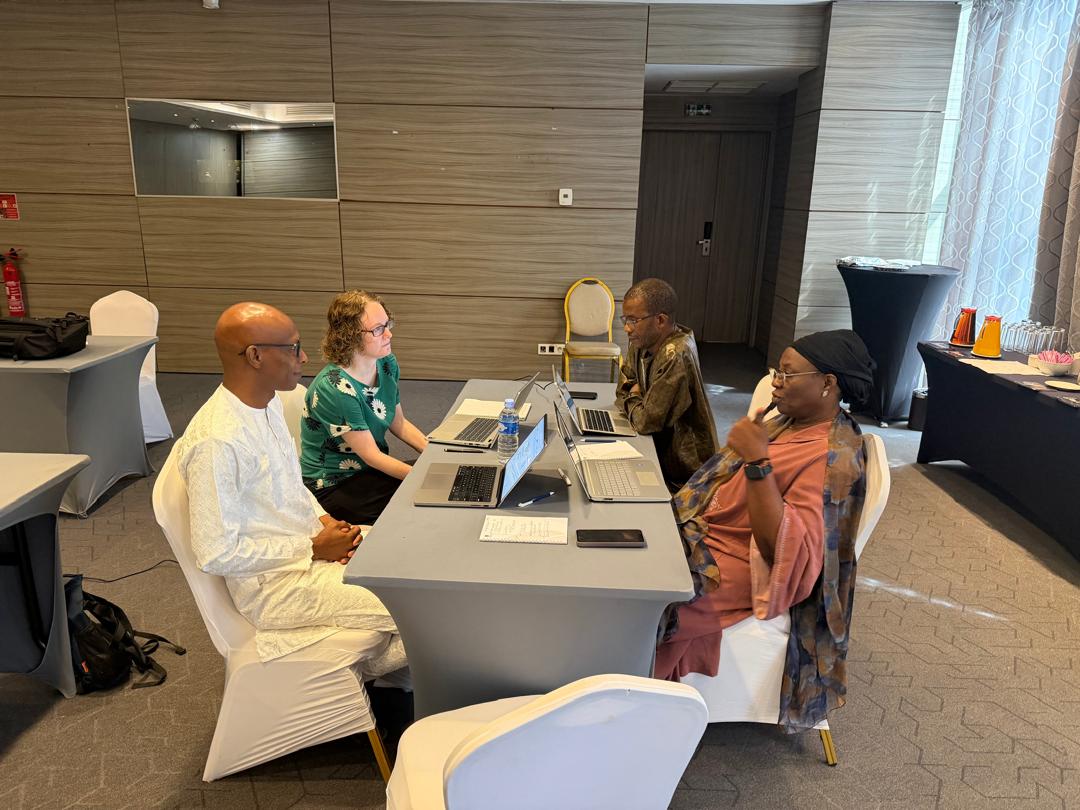
About twenty public health experts specializing in NCDs, implementation science, and instructional design took part in the work. Together, they laid the foundation for future programs by defining learning objectives, teaching methods, and evaluation plans. A faculty twinning and mentoring plan was also initiated to ensure continuous, joint skill development.
UCRC Communication Office
- Join us on YOUTUBE
- Join us on LINKEDIN
- Join us on X-PAGE