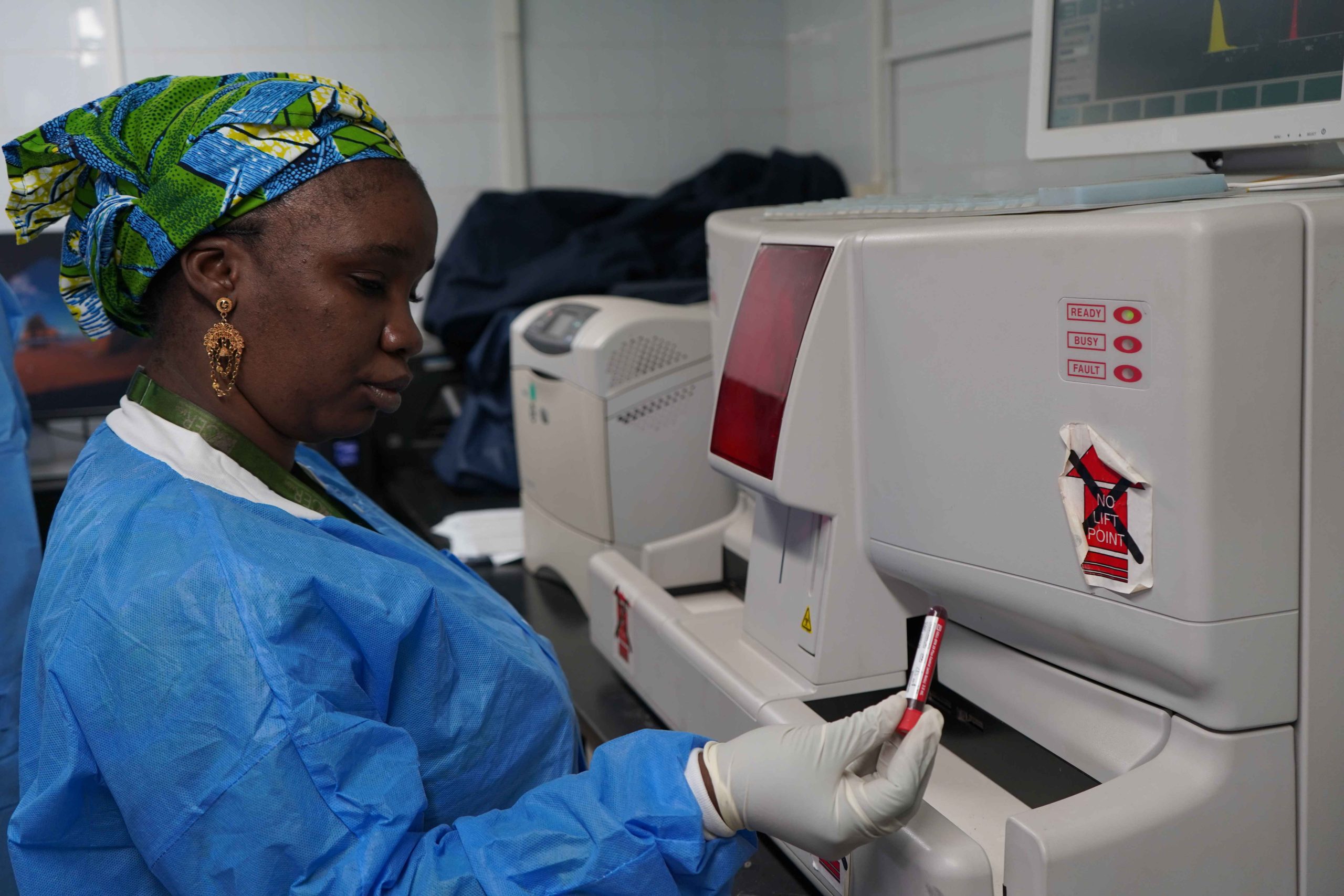
Behind every diagnosis, every treatment, every recovery, lies tireless work. Invisible, but essential. From rigorous quality control to the evaluation of candidate products, and on to the therapeutic monitoring of patients… the clinical biology laboratory at the UCRC plays a decisive role. VIDEO
“We receive external samples for external quality control so that all the results we provide are internationally reliable. Also, as part of our collaborations, we host students for their master’s theses and dissertations, which is in line with the missions of the University Clinical Research Center: training students.”, said Dr. Antièmé Combo Georges Togo, Health of the Lab.
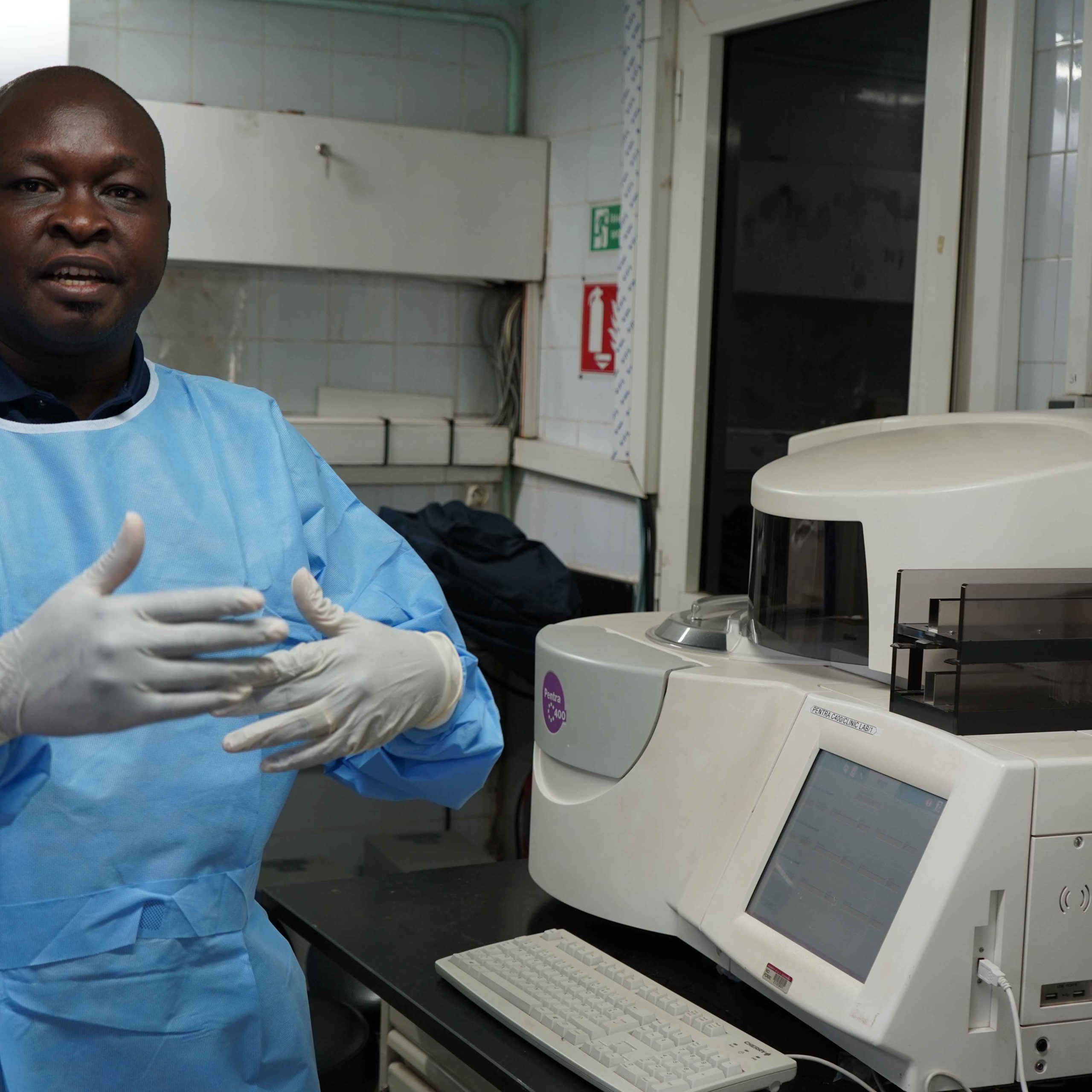
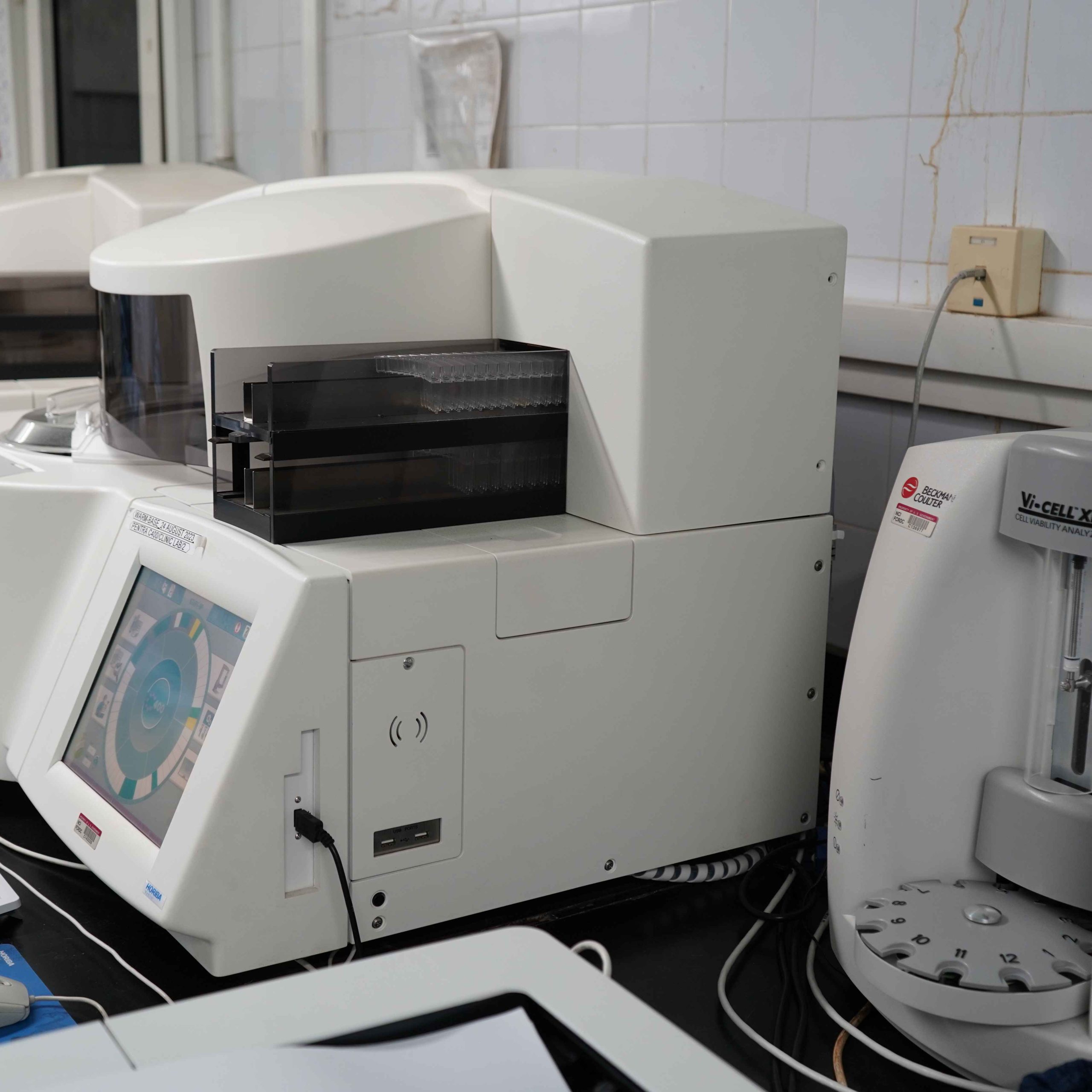
The core action of this clinical laboratory lies in evaluating candidate products before their large-scale deployment. This is where the safety and future of vaccination campaigns are determined.
“This is a lab that allows us to monitor patients biologically and conduct clinical trials, especially to observe the immune system. By doing these tests, we ensure that patients will not experience side effects following the vaccine.”, said Dr. Togo.
This expertise was essential in 2018 during the international project of the PREVAC consortium (Partnership for Research on Ebola Vaccination). This study aimed to evaluate the long-term efficacy and safety of candidate vaccines against the Ebola virus. VIDEO-BAMBARA
“Mali is part of the study, along with Guinea, Sierra Leone, and Liberia. We conducted a randomized trial. We worked in collaboration with the Center for Vaccine Development, CVD. More than 600 participants were involved in this vaccine trial. Following the trial, we understood that the vaccine was truly tolerated and that it is safe,” the scientist happily noted.
The UCRC’s action is not limited to vaccines. During epidemic outbreaks, such as the case with dengue fever, the clinical laboratory transforms into an acute therapeutic monitoring center for patients affected by infectious and tropical diseases.
“We still performed hematological monitoring for many of the patients who were infected with dengue; we sent the blood of these patients for hematological monitoring. Above all, these are diseases that affect red blood cells, white blood cells, or platelets. Therefore, we did follow-ups based on biological parameters.”, He added.
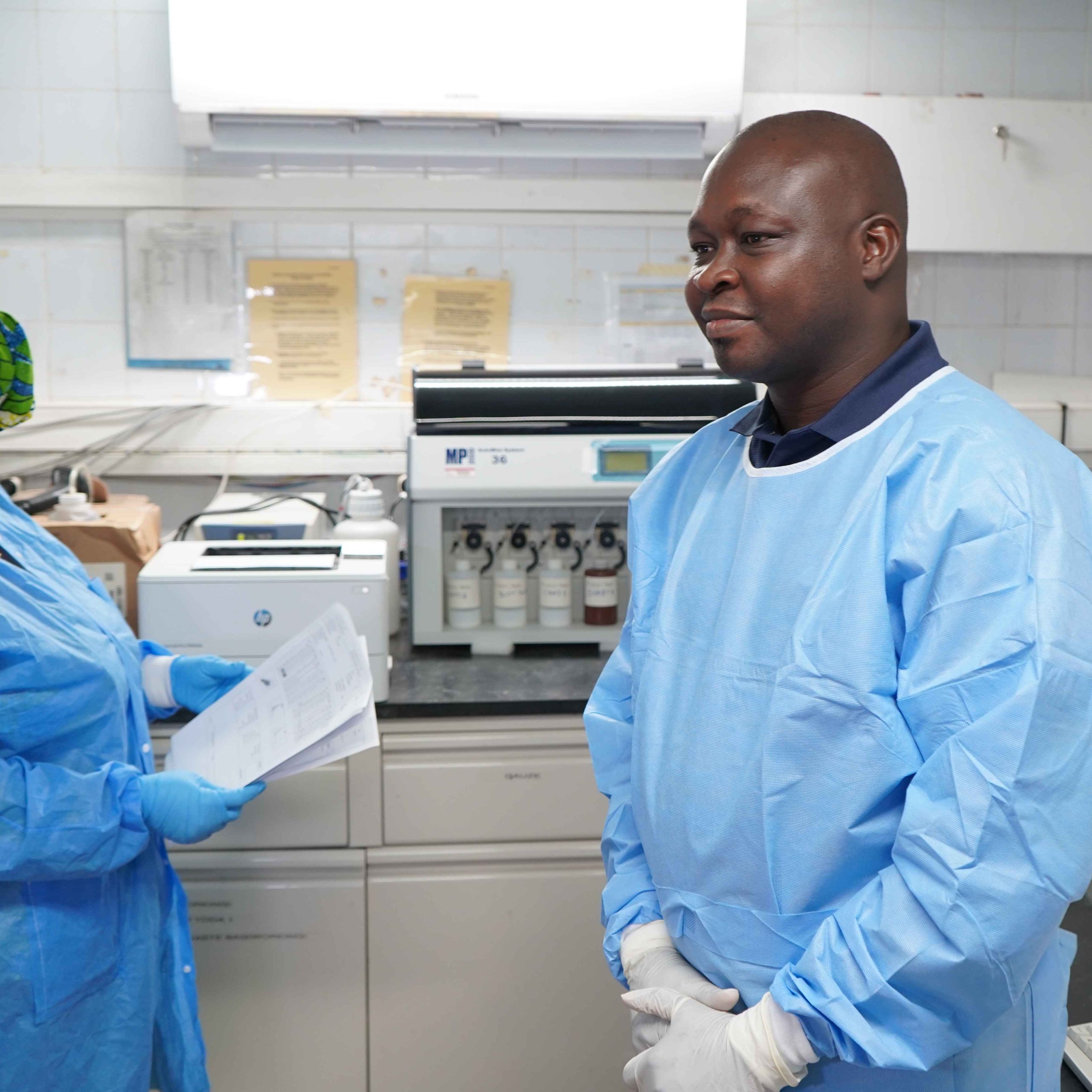
Faced with modern health challenges, the control role of the UCRC now appears to be a mandatory safety barrier. When asked if it is possible or normal to administer a vaccine without the approval and involvement of such a clinical laboratory, the manager’s response is categorical:
“No, that is not normal at all because you must ensure the efficacy and safety of the vaccine. we really have to be sure that the vaccine is safe…. Only then can we allow to vaccinate.” , He precised.
By positioning the clinical laboratory as a mandatory step for any medical innovation, the UCRC reaffirms its mission: to help protect populations through a rigorous, honest, and ethical scientific approach.

UCRC Communication Office
- Join us on YOUTUBE
- Join us on LINKEDIN
- Join us on X-PAGE