The University Clinical Research Center (UCRC) hosted a collaborative benchmarking evaluation team on July 23, 2026. Led by Dr. Tanya Ansahta Garnett, this mission is part of the project “Strengthening Clinical and Genomic Research Capacities on Arboviruses (SC-GRA)”. This sub-regional program is funded by the Science for Africa Foundation (SFA), under the auspices of the Africa Pandemic Sciences Collaborative and its Epidemic and Pandemic Sciences Innovation and Leadership Networks (EPSILONs). VIDEO.
International-standard technological infrastructure
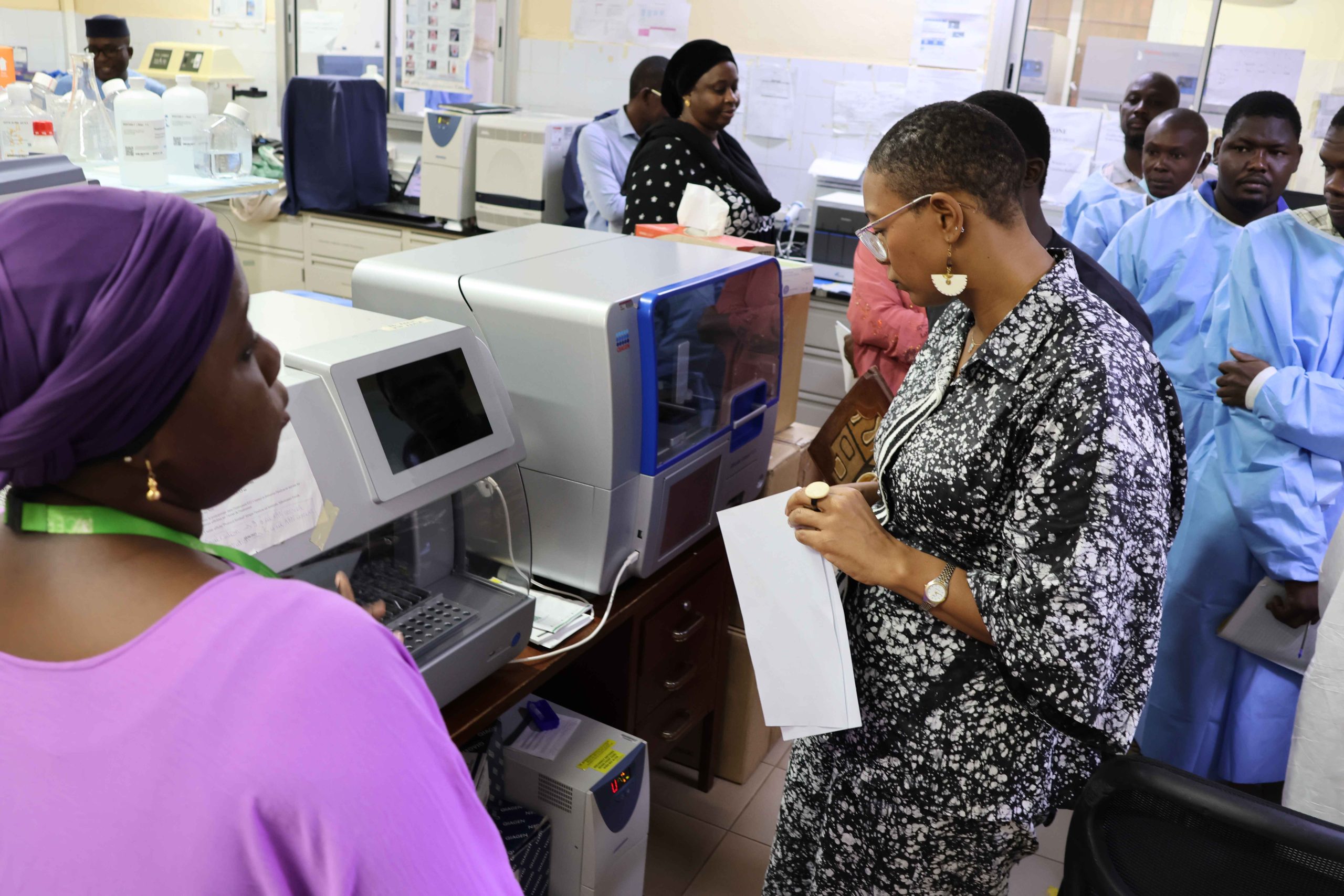
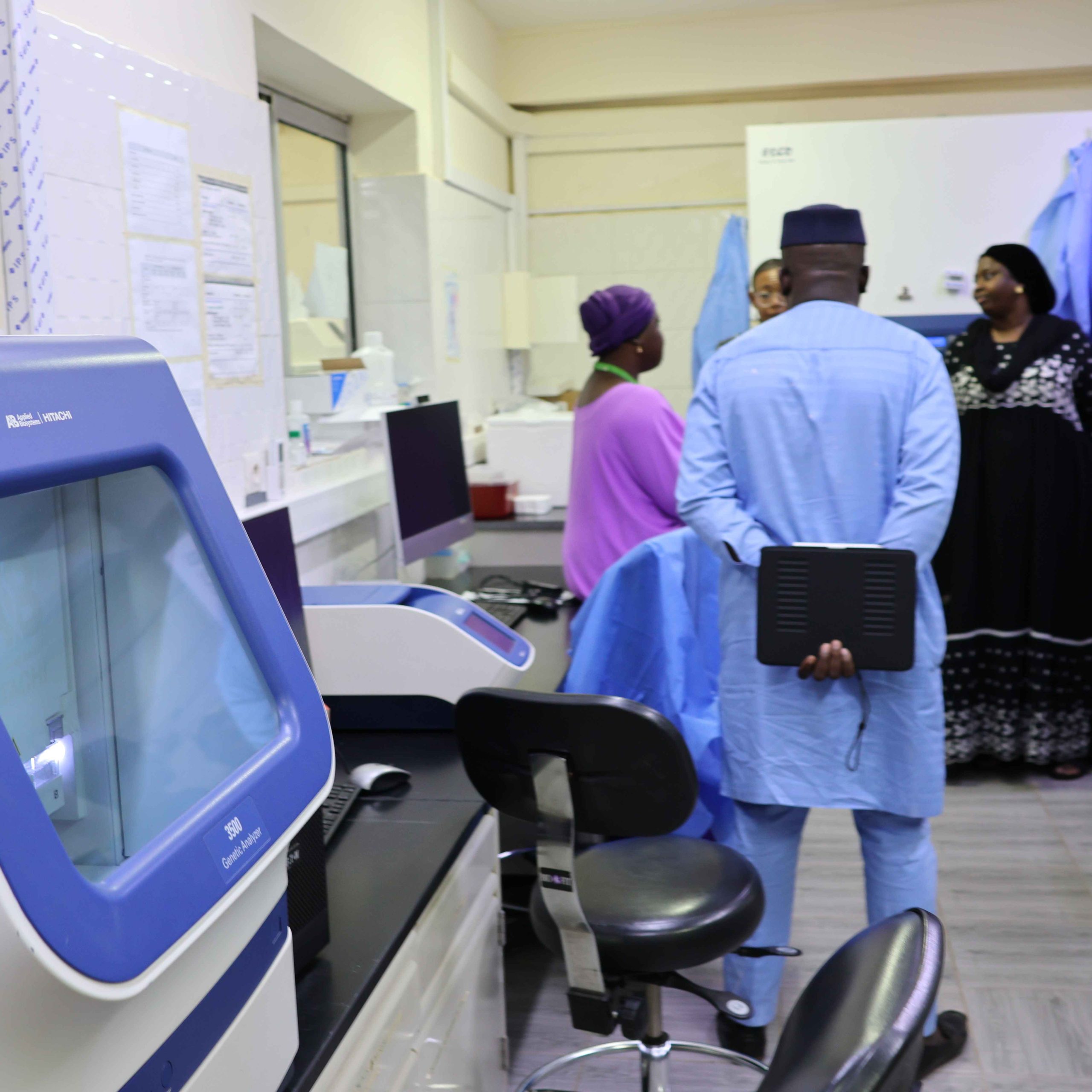
During this mission, the delegation visited UCRC’s state-of-the-art research facilities, which feature international-level technical platforms. The center notably possesses top-tier sequencing equipment, including the Illumina NextSeq sequencer and the Applied Biosystems 3500 Genetic Analyzer. Within the molecular biology and genomics laboratory, UCRC stands out as the first certified center in Africa to deploy the innovative VirCapSeq technique.
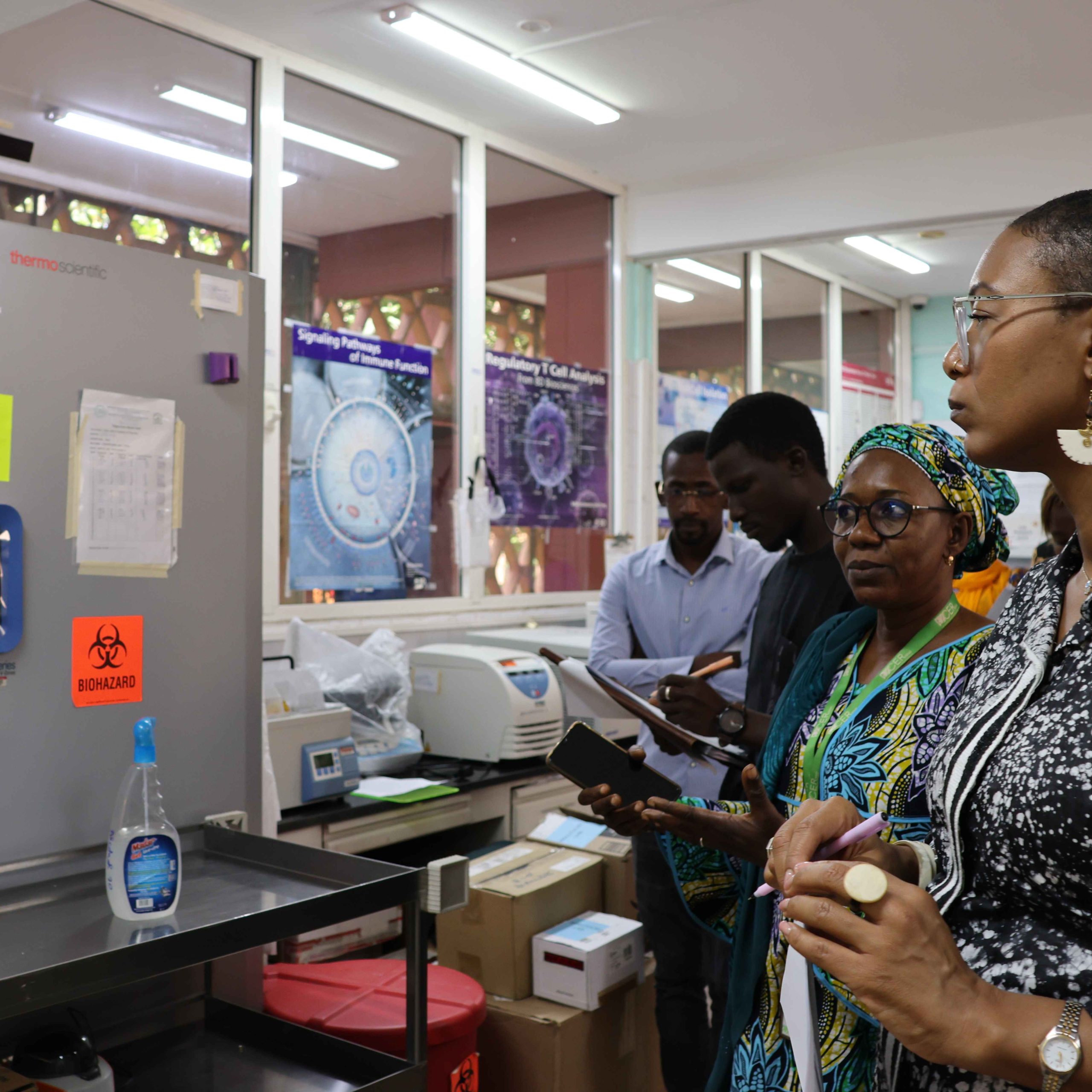
“This is a method that makes it possible, within a single sample, to identify more than 200 viral families, meaning it reads their genetic code,” explained Aminetou Ténin Coulibaly. These technologies allow for the decryption of detailed genetic information to diagnose diseases with precision and identify new variants.
Mali at the heart of the WACCREP consortium
As the leader of the SC-GRA project, which is built on a synergy between the five countries of the WAC-CREP consortium (Guinea, Côte d’Ivoire, Liberia, Sierra Leone, and Mali), Mali centralizes all samples. These are analyzed within the immunology laboratory (Immunocore), a facility equipped with international-standard technologies. “All samples are going to be received here first, before being dispatched to the other laboratories. So everything involving rapid tests, serology tests, and preparing sample batches for long-term storage takes place here. They will then be sent to the molecular biology lab for molecular diagnosis and sequencing. That is why this lab is central to the smooth running of SC-GRA.”, Said Prof. Djeneba Dabitao, Co-PI on SC-CRA project/Mali.
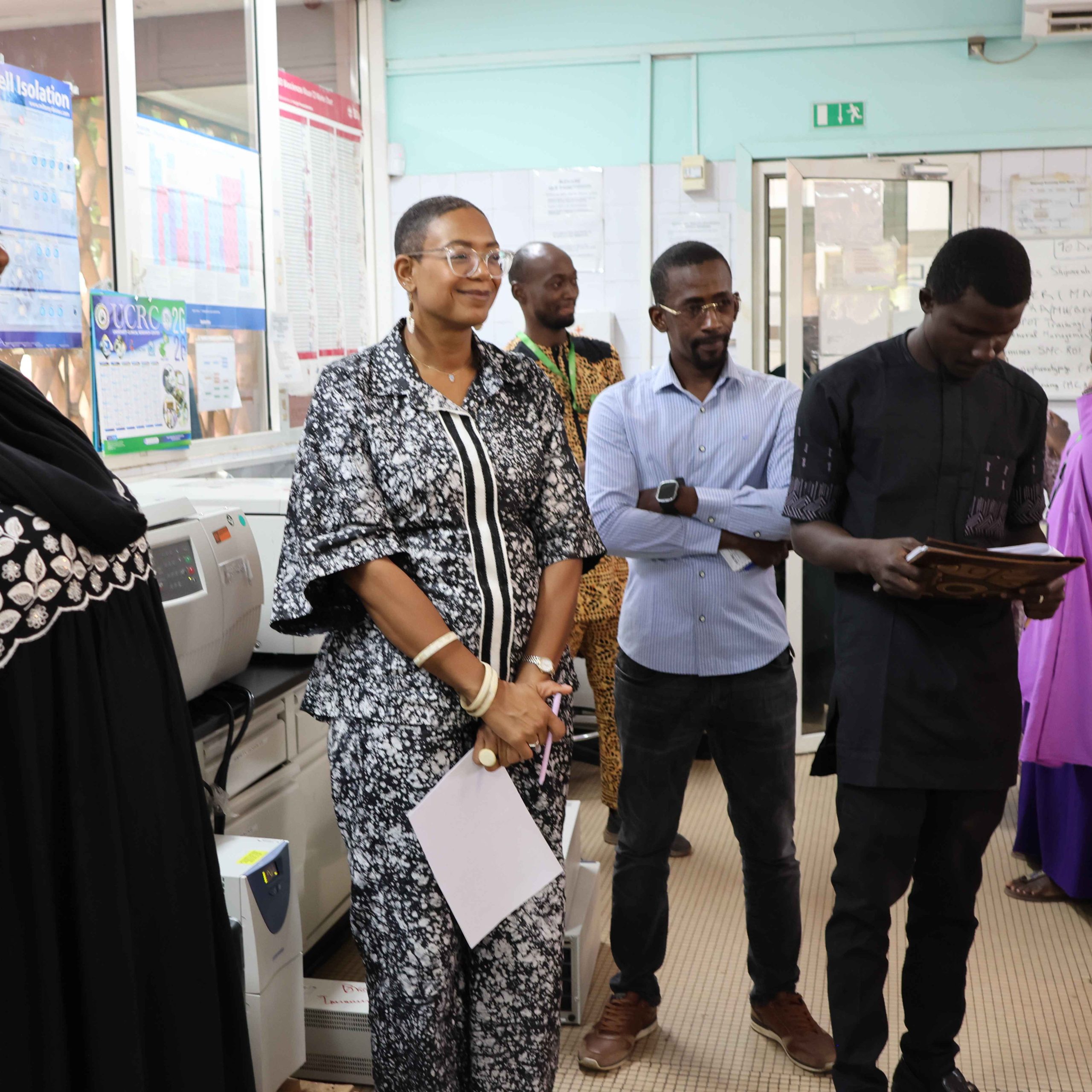
The guided tour also showcased:The clinical laboratory: equipped with reference testing platforms for biological confirmations; the Biosafety Level 3 (BSL-3) laboratory: a highly secure facility dedicated to inactivating dangerous pathogens capable of causing severe infections.
The processing and centralization of SC-GRA project data for all member countries are fully managed by the UCRC database unit, which serves as a regional hub. The success of these initiatives relies on strong institutional governance, driven by the leadership of UCRC Director, Professor Seydou Doumbia.
UCRC Communication Office
- Join us on YOUTUBE
- Join us on LINKEDIN
- Join us on X-PAGE