In Mali, malaria remains a major public health challenge. Despite years of mobilization, current prevention tools, such as insecticide-treated bed nets and indoor residual spraying, are now facing growing resistance from mosquitoes. Confronted with this health emergency, research is exploring new pathways, notably that of genetically modified mosquitoes. However, such a biotechnological transition requires a prior, rigorous evaluation of its social acceptability among the affected communities. PODCAST
A Two-year prospective sociological study
From 2024 to mid-2026, an ambitious research project in the social sciences and humanities was conducted in the field. Funded by the Science for Africa (SFA) Foundation through its “Possible Africa” program that is Promoting Opportunities in Social Science and Humanities for Black, Indigenous and Local Excellence in Africa, this two-year project recently concluded. The main objective was to conduct a prospective sociological study to assess the knowledge and analyze the perceptions of Malian communities regarding this new strategy currently under development worldwide.
The survey, which covered two major demographic realities of the country (urban and rural areas), included: The District of Bamako, in Communes 3 and 5; the Koulikoro Region, across the health areas of Kola, Bancoumana, Dangassa, Kambila, Tienfala, and Keniegoué.
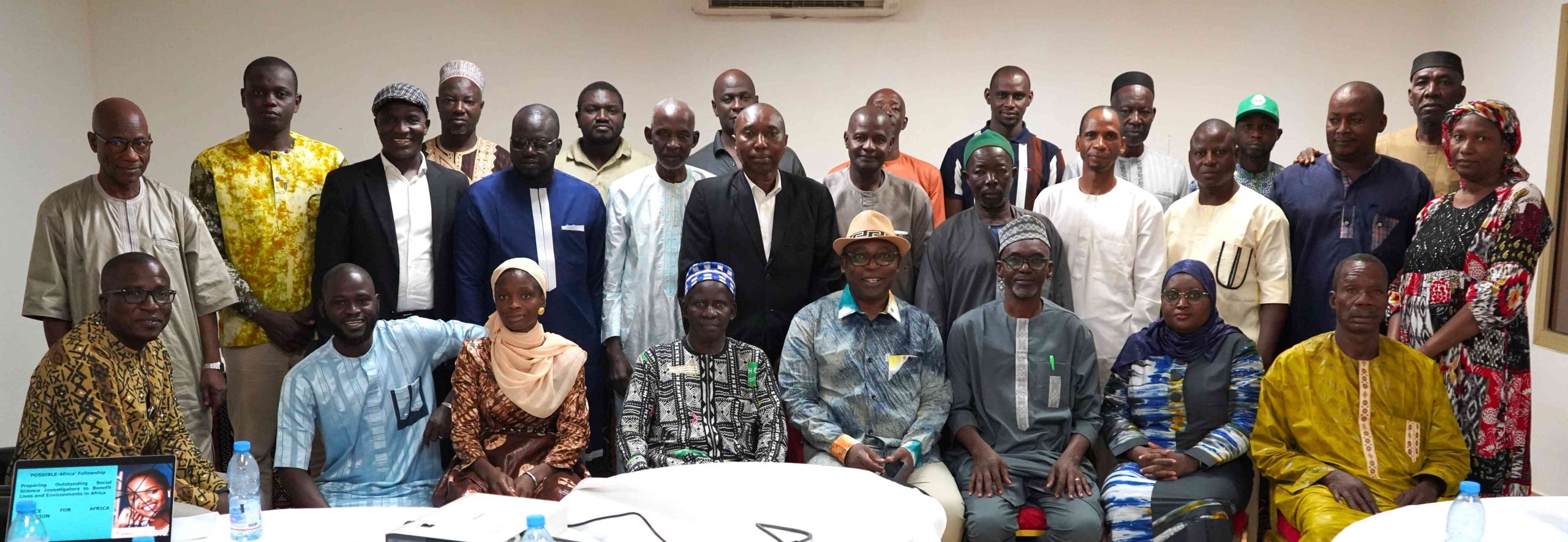
The findings from two years of field consultations and surveys were presented on June 25, 2026, in Bamako, during a major feedback workshop. This event brought together researchers, health experts, and representatives from: Civil society, the National Malaria Control Program, the General Directorate of Health and Public Hygiene; the Association of Professional Peasant Organizations, the Environment and Sustainable Development Agency, the National Biosafety and Biosecurity Agency, the National Ethics Committee for Health and Life Sciences (CNESS), the Network of Traditional Communicators for Development in Mali (Recotrade), technical directors of health centers and presidents of community health center associations, among others.
While scientific research progresses in the laboratory, the collected data reveals the current state of perceptions in Mali. It shows that while innovation sparks legitimate hope in the face of current treatment failures, it also raises numerous ethical, cultural, and practical questions within the communities.
In today’s Mali, the challenge will not be solely technological or biological. The true success of this scientific transition will rely on transparency, health education, and the active integration of community knowledge to enhance the feasibility and acceptability of this technology by everyone.
UCRC Communication Office
- Join us on YOUTUBE
- Join us on LINKEDIN
- Join us on X-PAGE