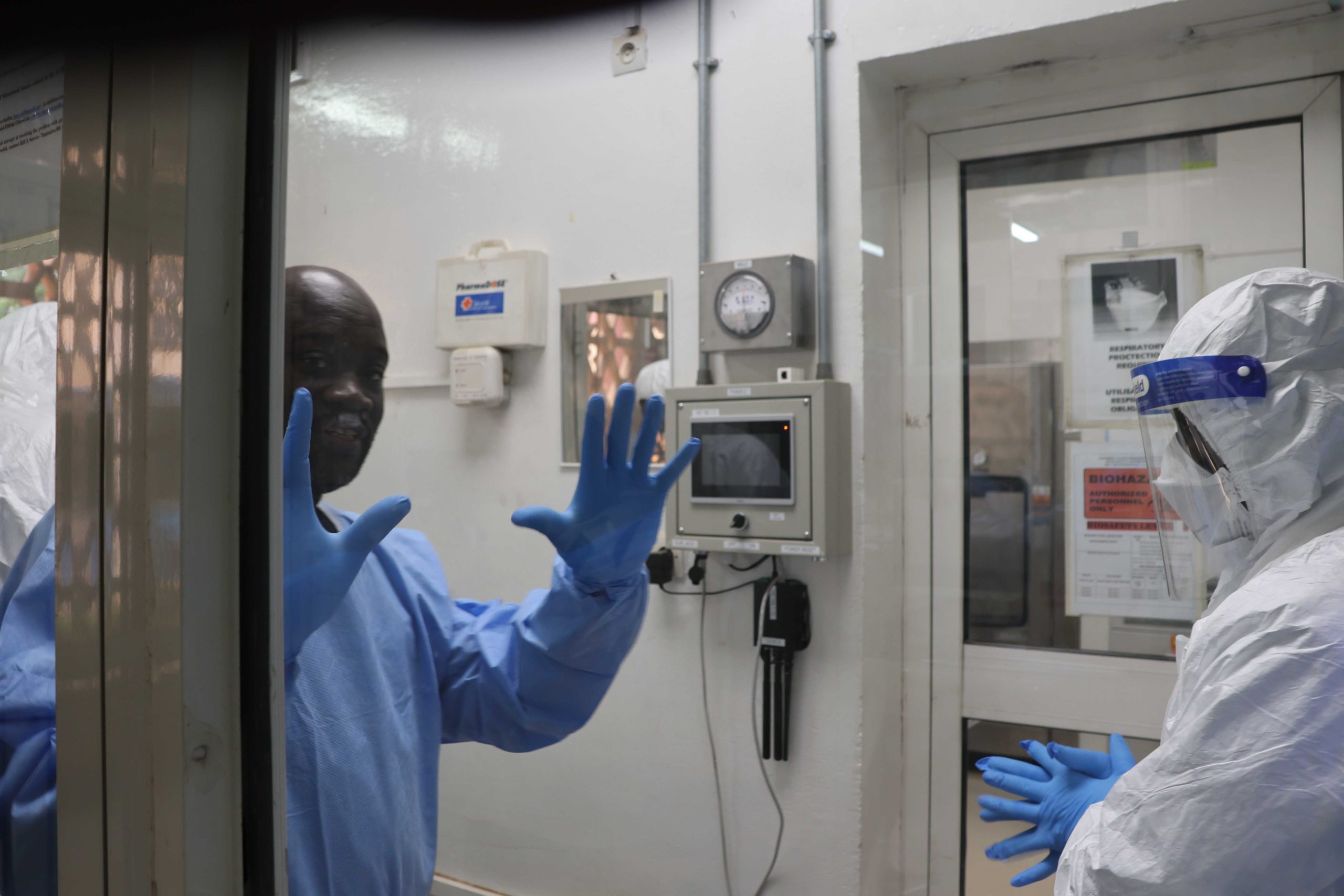
In the face of emerging epidemics, protecting populations requires the deployment of strict biological mechanisms. In Mali, the University Clinical Research Center (UCRC) is at the heart of this response system. Its master weapon: a Biosafety Level 3 or BSL-3 laboratory. This is a highly secure infrastructure specifically dedicated to handling highly infectious bacteria, such as the bacterium responsible for tuberculosis, as well as viruses that cause hemorrhagic fevers, including the Ebola and Lassa viruses, among others. VIDEO
Prof. Bassirou Diarra, Medical Biologist, Head of the BSL-3 Laboratory: “This P3 laboratory exists with its facilities to protect the technicians who work there and safeguard the environment.”
The installation of this BSL-3 laboratory relies on rigorous containment engineering to guarantee total airtightness against biological risks. Its high-security air filtration systems prevent any leakage of pathogens or microorganisms to the outside. By combining these technological barriers with advanced personal protective equipment, the facility ensures maximum safety for both scientists and local populations, in strict compliance with World Health Organization (WHO) standards.
Prof. Bassirou Diarra, Medical Biologist, Head of the BSL-3 Laboratory: “When we talk about BSL-3, we talk about certification. Here, every year, this laboratory is certified to see if we continue to meet international standards. This certification is done by international organizations. This certification consists of first looking at the systems we use. Are the systems working properly? Is there any problem? The engineering flow of a laboratory, as I said, it is a negative pressure laboratory, but entering only once in a single direction, is all of this respected? It is a special laboratory where there is an integrated autoclave. All waste, when finished, can really be autoclaved inside, sterilized before taking it out. The air in this laboratory is changed at least up to 16 times per hour. The WHO recommends that the air inside be changed 15 times.”
As a key player in health security, the UCRC’s BSL-3 laboratory proved its effectiveness during the worst contemporary health crises. During the 2014 Ebola epidemic, the infrastructure played a leading role in the response for Mali and Guinea, ensuring the safe inactivation of viruses and the biological identification of the first cases. In 2020, during the COVID-19 pandemic, this laboratory distinguished itself once again on the front lines by identifying the first cases in Mali.
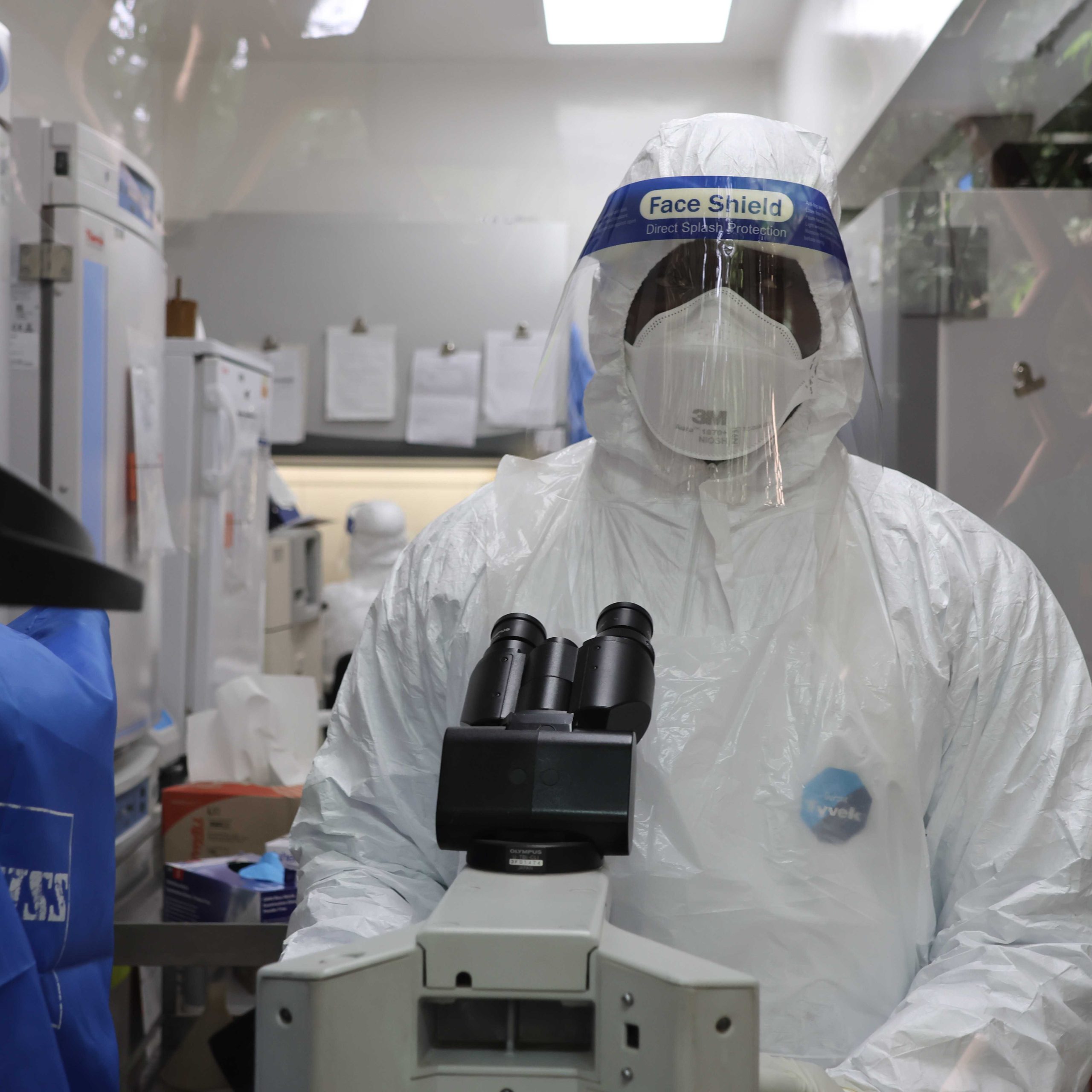
Prof. Bassirou Diarra, Medical Biologist, Head of the BSL-3 Laboratory: “In 2014, when the Ebola virus attacked West Africa for the first time, including Mali, we initiated a training program here with our American partners from the NIH to enable us to conduct testing. We adapted the Level 3 laboratory, allowing us to perform Ebola tests in 2014. We tested more than 120 suspected Ebola samples here, among which about ten were positive. These samples came not only from Malian territory but also from the Guinean border because, at the time, it was faster to bring those samples from Guinea here than to take them all the way to Conakry. From 2014 until now, whenever there is a suspected case, we do not publicize everything, we test samples suspected of Ebola or other hemorrhagic diseases. In 2014, this was the only laboratory in Mali that performed all the tests, but with Covid, other laboratories joined us later. We were the ones who started and identified the first positive Covid cases, but over time, other laboratories were added. In the end, we had five laboratories in Mali capable of performing Covid tests. This is also a good thing for the country.”
While no one wishes for new crises, anticipation remains the foundation of health security. This is why the UCRC maintains its teams and equipment in a permanent state of alert, ready to support national and sub-regional authorities against any emerging threat.
Prof. Bassirou Diarra, Medical Biologist, Head of the BSL-3 Laboratory: “We are members of the West African outbreak rapid response team, so we are ready to be deployed, the laboratories are ready to conduct the tests, and as I also mentioned, we are working on evaluating other vaccines, just as we did for the Ebola vaccine.”
Assurance is thus given that; all measures have been taken to face any potential health crises, whether they are epidemics or pandemics.
UCRC Communication Office
- Join us on YOUTUBE
- Join us on LINKEDIN
- Join us on X-PAGE