Dr. Samba Diarra, Coordinator of Community Engagement Activities at the University Clinical Research Center (UCRC), participated in the POSSIBLE Africa Postdoctoral Fellowship Programme Closeout and Learning Convening, held in Accra, Ghana, from September 15 to 17, 2026.
Supported by the Andrew Carnegie Foundation and organized by the Science for Africa Foundation (SFA Foundation), the convening brought together fellowship recipients around a shared objective: to celebrate, document, and showcase the achievements of the POSSIBLE Africa Programme. The event also provided researchers with a platform to present the results and impact of their work, reflect on lessons learned throughout their research journeys, strengthen professional networks, and contribute to discussions on future investments in social sciences and humanities research capacity development across Africa.
As a POSSIBLE Africa Fellow, Dr. Samba Diarra actively contributed to the convening by presenting the findings of an ambitious research project conducted in Mali between 2024 and mid-2026. The study, situated within the field of social sciences and humanities, focused on a promising innovation in malaria control: genetically modified mosquitoes.
The primary objective of the research was to conduct a prospective sociological study assessing public knowledge and examining the perceptions, expectations, and concerns of Malian communities regarding this emerging biotechnology approach, which is currently being developed in several parts of the world.
To ensure broad representation, the study covered two major demographic settings in Mali: urban and rural communities. Field investigations were carried out in the District of Bamako, particularly in Communes III and V, as well as in the Koulikoro Region, including the health areas of Kola, Bancoumana, Dangassa, Kambila, Tienfala, and Kéniégoué.
The findings provided valuable insights into community perceptions of this innovation and highlighted the social, cultural, and ethical factors likely to influence its acceptability. These lessons constitute an important contribution to ongoing discussions on the future integration of novel technologies into malaria control strategies in Mali and across Africa.
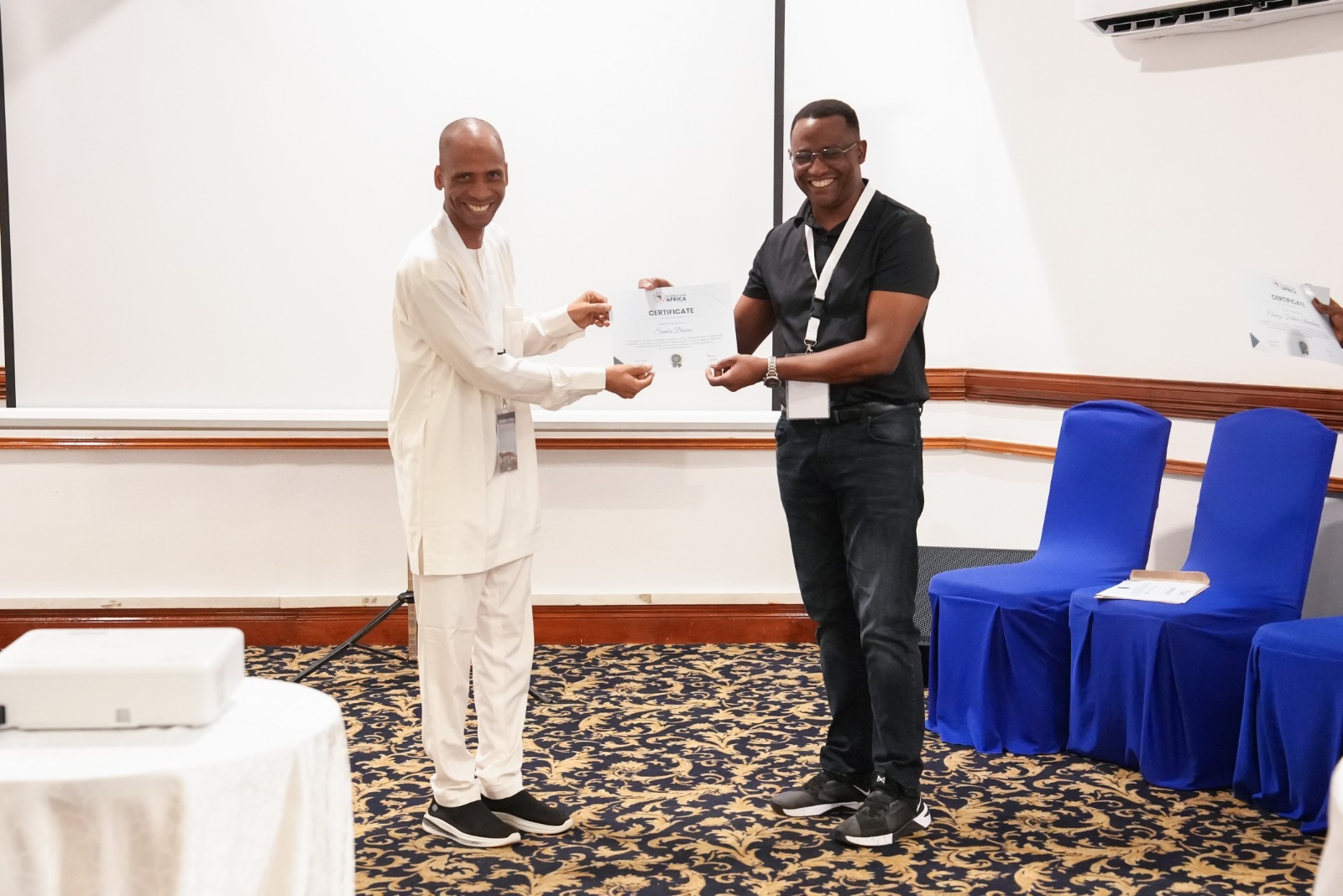
At the conclusion of the convening, Dr. Samba Diarra was recognized for the quality and relevance of his scientific work, which attracted particular attention from both participants and organizers. This distinction underscores the importance of social science research in supporting public health innovations and highlights the critical role of communities in the adoption of new disease-control strategies.
The award also recognizes the commitment of the University Clinical Research Center (UCRC) to conducting high-quality research grounded in local realities and dedicated to improving population health. The conclusions of this study are expected to contribute to strengthening existing malaria control interventions and informing future decisions regarding the introduction of biotechnological innovations in public health.
UCRC Communication Office
- Join us on YOUTUBE
- Join us on LINKEDIN
- Join us on X-PAGE